Mixing & Mastering Tip #164 ·
Are analog summing mixers worth it? Why I don't recommend them

Ruslan Slatin
Mastering engineer at SLATIN, Madrid
Summing mixers have been a heated topic in the music production world. Let me break this down based on years of discussions, experiments and industry practices.
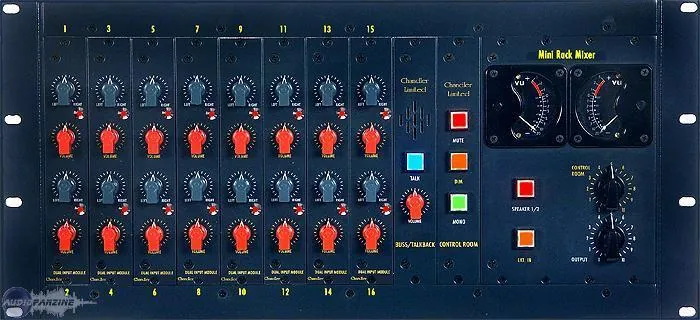
Where summing mixers came from
The concept of summing mixers became popular when Pro Tools’ early mix cards had a flaw that caused the stereo bus to narrow the mix.
Routing individual outputs from Pro Tools through external hardware mixers, termed “summing mixers”, preserved the stereo image and overall mix integrity.
DigiDesign initially denied the issue but later addressed it with HD cards, which made the summing mixer’s original purpose redundant.
Are they worth it?
Despite their origins as a workaround for a software limitation, summing mixers evolved into luxury items. Some claim they enhance mixes, offering improved depth and clarity, but my personal experience says otherwise.
Here’s why:
- Negligible differences. In a demonstration with multiple summing mixers, including high-end units like Chandler’s $8,000 model, the audible differences were minimal, bordering on insignificant.
- Cost vs. benefit. Using summing mixers can be frustrating, because you need to mix into them. You can’t just connect one after the mix is done. Beyond the mixer itself, you need extensive cabling and interfaces to route individual outputs, which is a hefty investment for a marginal improvement, if any. And each time you want to bounce a mix, you have to run it through in real time.
- Subjective perception. Even seasoned engineers like Serban Ghenea, after meticulously comparing a mix done with and without a summing mixer, found no discernible difference. Mainly because the ear naturally adjusts to shape a mix regardless of the tools used. The additional saturation a summing mixer adds can be EASILY replicated through other processes or plugins.
What to do instead
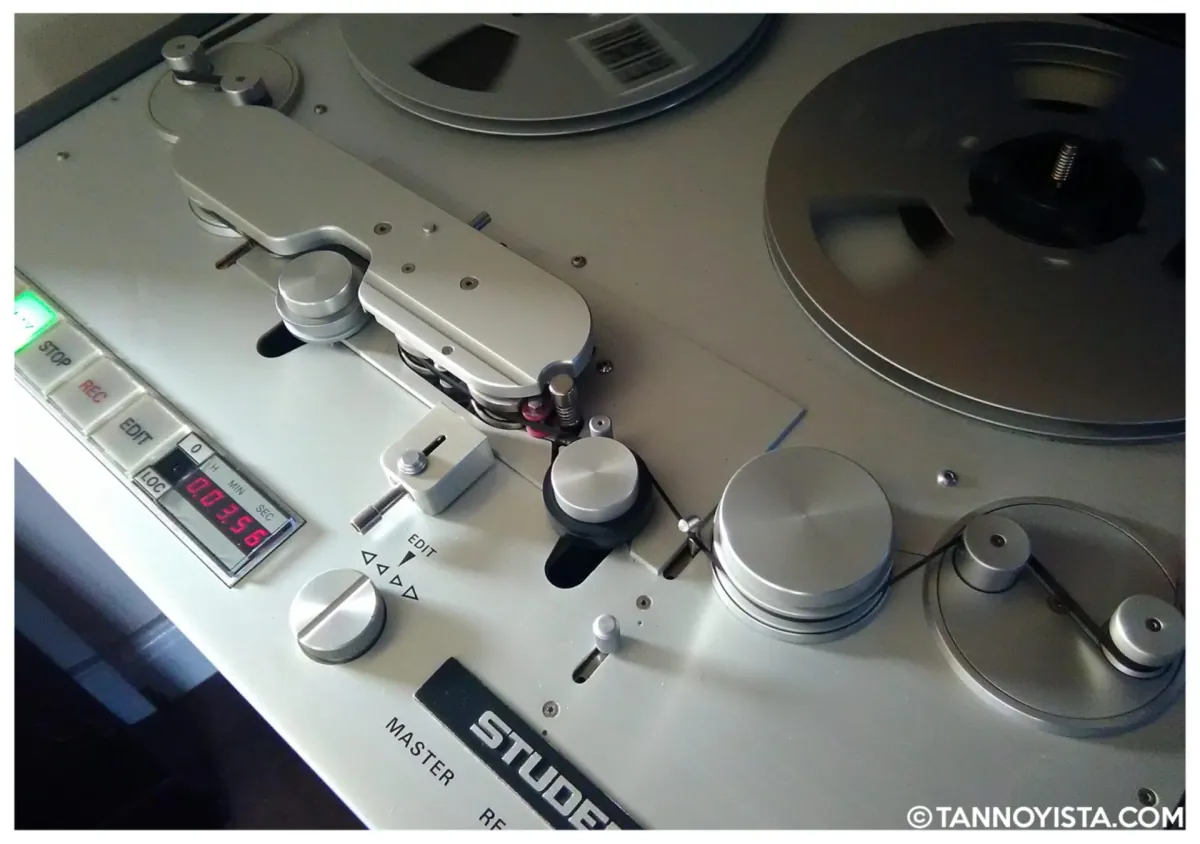
Instead of chasing elusive benefits, consider gear with proven impact.
You can buy a tape machine for the same price and have a tangible impact on your song. And if you miss a little “analog vibe” in the mix, you can get it with digital plugins and emulations. Nowadays there are a ton of “colors” available out there (Acustica Audio, hello).
I can’t, in good conscience, recommend a summing mixer. The hype and marketing often prey on producers who don’t fully understand what they actually do.
If you want to experiment with digital summing solutions, try:
- Waves NLS
- UAD Neve Summing
- Sonimus Satson
- Airwindows Console
- Acustica Audio Black
Happy nerding!
Want this on your own track?
I master more than 1,000 songs a year for artists and labels, from stems or a stereo mix. Send me your track and I'll tell you what it needs.
A new tip like this every week, free: join the newsletter.
Work with me
Whenever you're ready, here's how I can help.
 MentoringMix & Master AcceleratorWeekly video reviews of your tracks, live group calls, and the business side of a studio career.By applicationApply now
 Preset packFUSION150 hand-crafted Valhalla VintageVerb presets. Three clicks to the sound you already hear in your head.20€Get the pack
 CourseAdvanced MicrodynamicsFour hours on the micro-level movement that makes a mix feel alive. Joined by 220+ students.149€See the course
 CourseLow End MasteryKick and bass chemistry, so your low end lands on club rigs and earbuds alike. Joined by 500+ students.159€See the course
 SoftwareStudiOSThe software I run my own studio on: deliveries, client feedback, versions and invoices in one place.14 days freeTry StudiOS