Mixing & Mastering Tip #228 ·
Why waveshaping, saturation, clipping and compression are one idea

Ruslan Slatin
Mastering engineer at SLATIN, Madrid
Waveshaping is compression. And compression is saturation. And saturation is distortion.
Same core idea. Different behavior.
This is a bit of a philosophical question.
The transfer curve
At the center of all of it is one simple relationship:
Input level → output level (the transfer curve)
Something goes in, a curve changes it, and something different comes out.
With compression, that curve reacts over time. You have attack and release. It breathes. It moves.
With waveshaping, there are no time values. No attack. No release. It happens instantly, sample by sample.
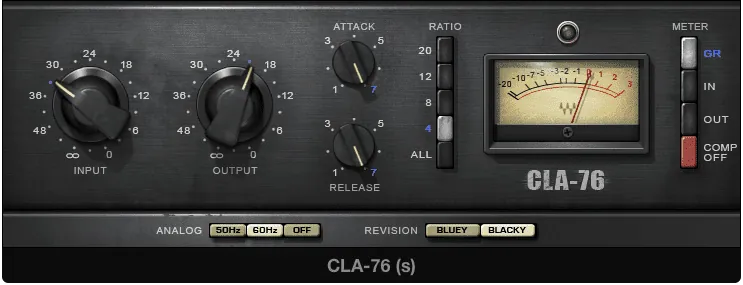
The 1176 example
Now think about an 1176 compressor. Fastest attack, fastest release.
What do you hear? Distortion.
Because at that point, it’s reshaping the waveform so quickly that it leads to saturation and distortion, which is waveshaping.
From waveshaper to clipper to limiter
Now let’s take it one step further.
If you open a waveshaper and flatten the top of the curve, anything that crosses that line gets chopped, right? That’s a clipper.
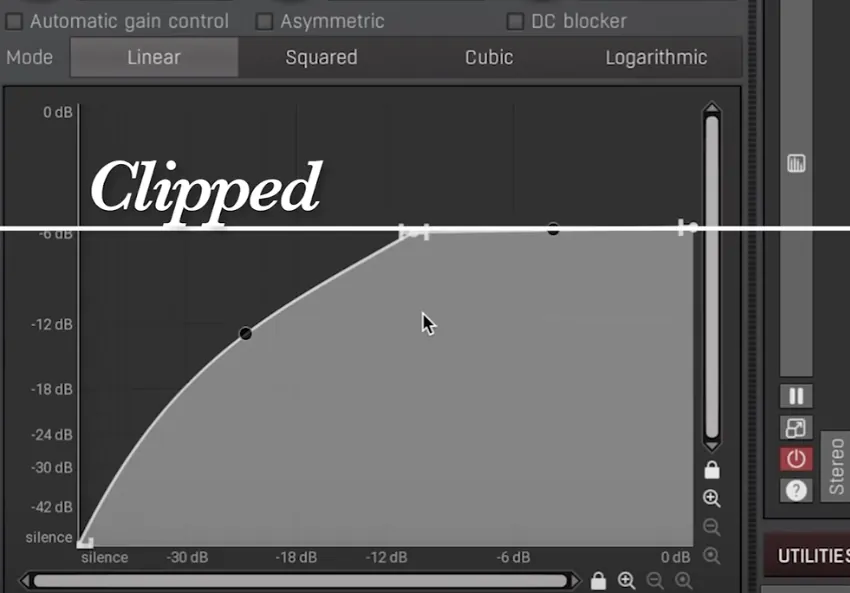
So now your waveshaper is a saturator and a clipper, because clipping is just extreme, hard waveshaping.
Now, if you add time constants, you get a limiter.
This is why I say that, in the end, everything is exchangeable. Same concept, different flavor.
Want this on your own track?
I master more than 1,000 songs a year for artists and labels, from stems or a stereo mix. Send me your track and I'll tell you what it needs.
A new tip like this every week, free: join the newsletter.
Work with me
Whenever you're ready, here's how I can help.
 MentoringMix & Master AcceleratorWeekly video reviews of your tracks, live group calls, and the business side of a studio career.By applicationApply now
 Preset packFUSION150 hand-crafted Valhalla VintageVerb presets. Three clicks to the sound you already hear in your head.20€Get the pack
 CourseAdvanced MicrodynamicsFour hours on the micro-level movement that makes a mix feel alive. Joined by 220+ students.149€See the course
 CourseLow End MasteryKick and bass chemistry, so your low end lands on club rigs and earbuds alike. Joined by 500+ students.159€See the course
 SoftwareStudiOSThe software I run my own studio on: deliveries, client feedback, versions and invoices in one place.14 days freeTry StudiOS