Mixing & Mastering Tip #222 ·
How to limit kick and bass together for cleaner, louder masters

Ruslan Slatin
Mastering engineer at SLATIN, Madrid
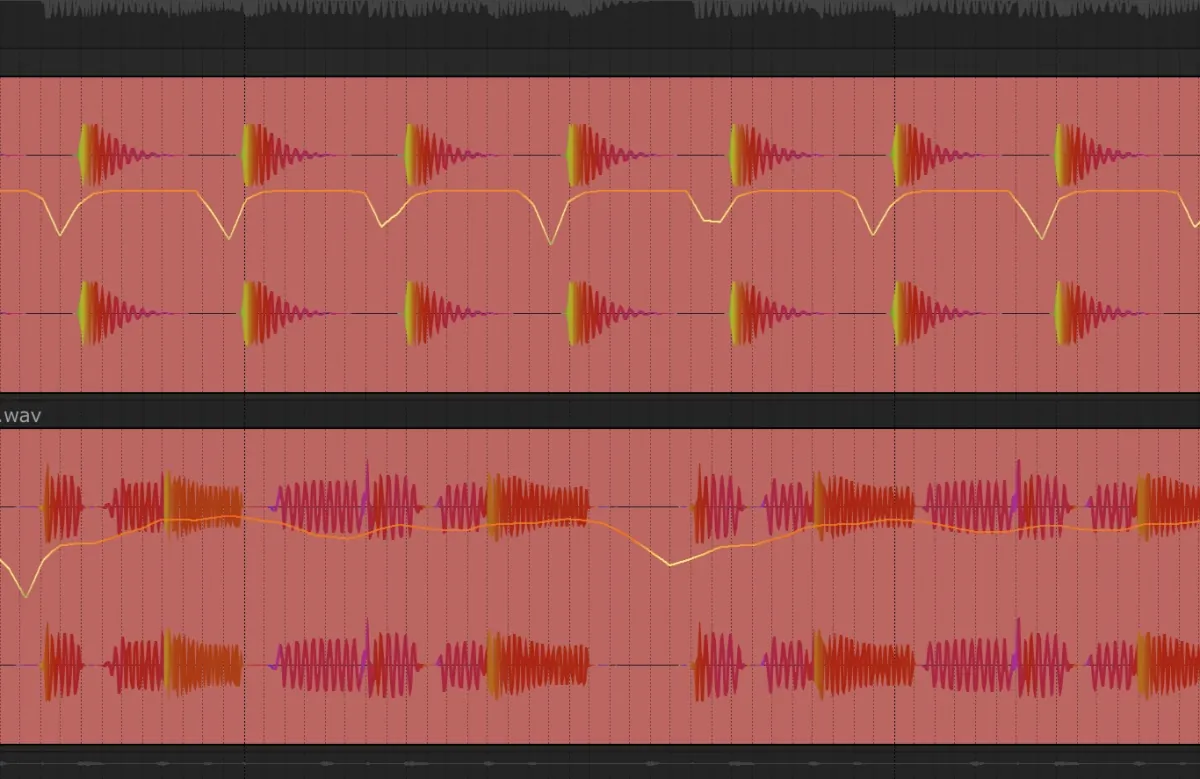
If you’ve been following me for a while, you know I’m a lot about getting the low end tight, punchy and powerful.
And one of my secret weapons is limiting my kick and bass together, as one unit. Here’s exactly how I do it, why it works, and how you can try it in your next mix.
Why I group the lows in bass-heavy music
In most electronic music (house, techno, dubstep, trap, you name it), I treat the kick and bass like one instrument. Not two separate things fighting for space. One.
Why? Because together, they create their own melodic pattern in the low octaves. They’re not just rhythm, they’re the foundation of the entire track.
And when it comes to loudness, they’re your biggest driver (and possible downfall).
Note: in acoustic or organic music, I don’t group kick and bass. But in bass-heavy songs? Always.
Step 1: Create a low-end group
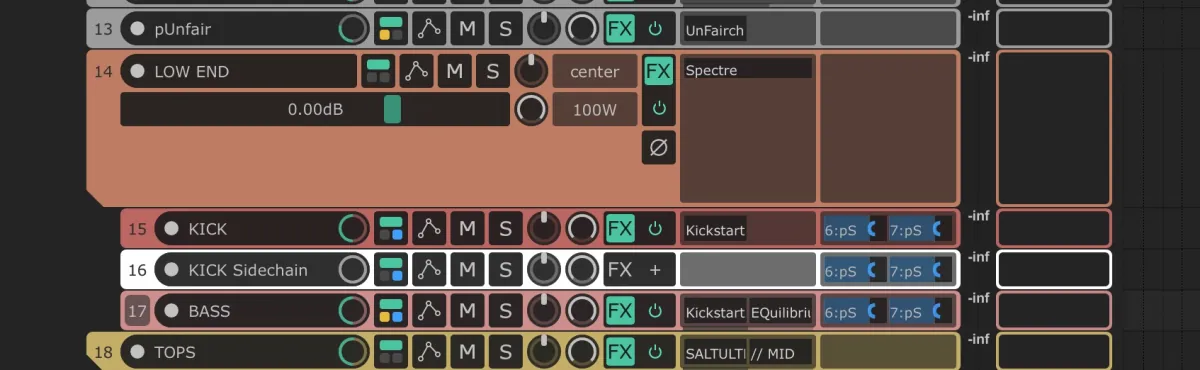
Here’s how I set it up:
- Route your kick and bass to a single group bus.
- Label it something like “Low End” or “Kick + Bass”.
- Now you’re treating them as one element.
This is where the magic starts.
Step 2: Check the relationship with a limiter (visual mode)
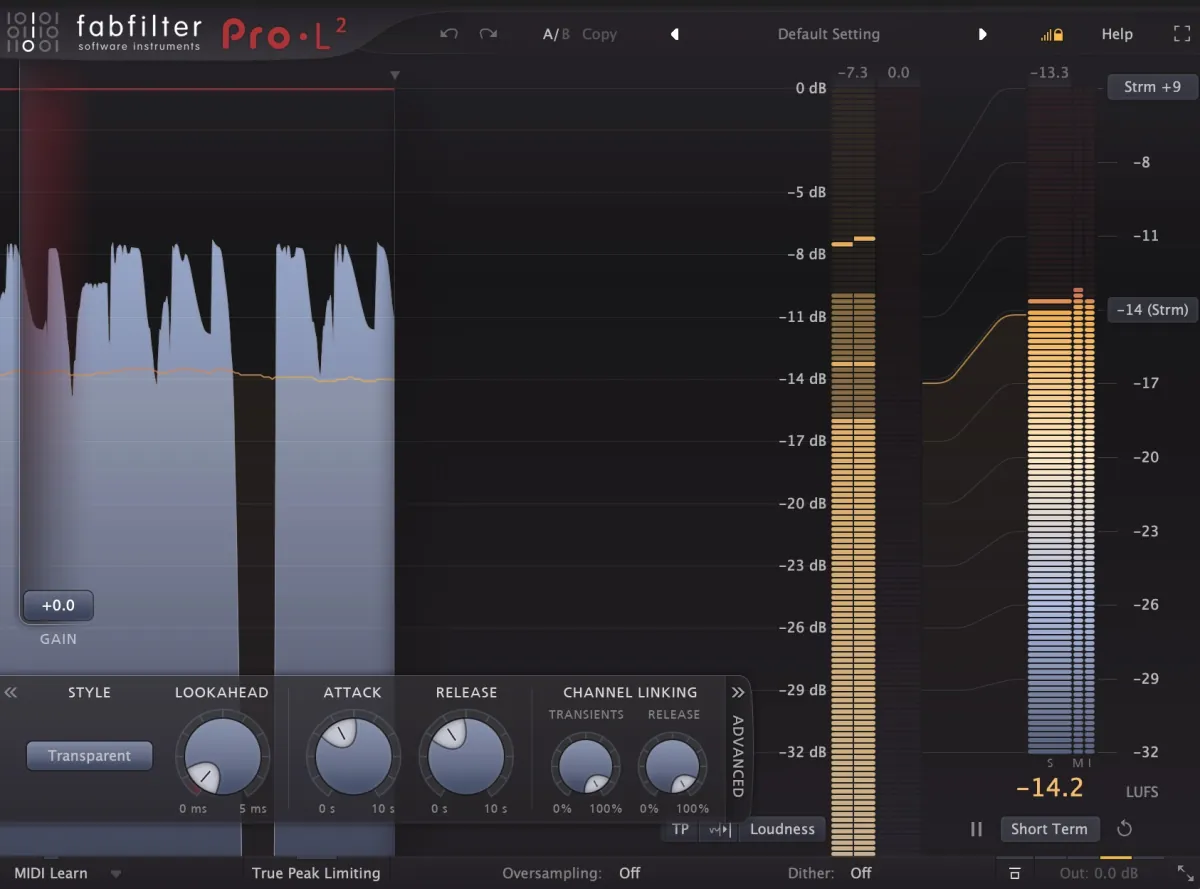
Before I do any real limiting, I put Pro-L2 (or any limiter with good visuals) on that group. I’m not limiting yet, I’m just looking.
What am I checking?
- The distance between the kick and bass peaks
- Whether there are rogue, uncontrolled peaks shooting up randomly
- Whether the relationship feels balanced, or one element is overpowering the other
If I see wild, uncontrolled peaks, that tells me the mix may be wrong. Maybe the sidechain isn’t dialed in. Perhaps the bass has transients that are too sharp. Is the kick clipped properly? Is the bass limited?
I go back and fix those first.
Step 3: Dial in the kick and bass relationship during mixing
This is key. Before you limit, make sure:
- Your sidechain compression is working properly (the bass ducks cleanly when the kick hits).
- The levels between kick and bass feel balanced.
When this relationship is tight and controlled, you’ll see it on the limiter. The peaks will be consistent. The waveform will look clean.
Step 4: Start limiting
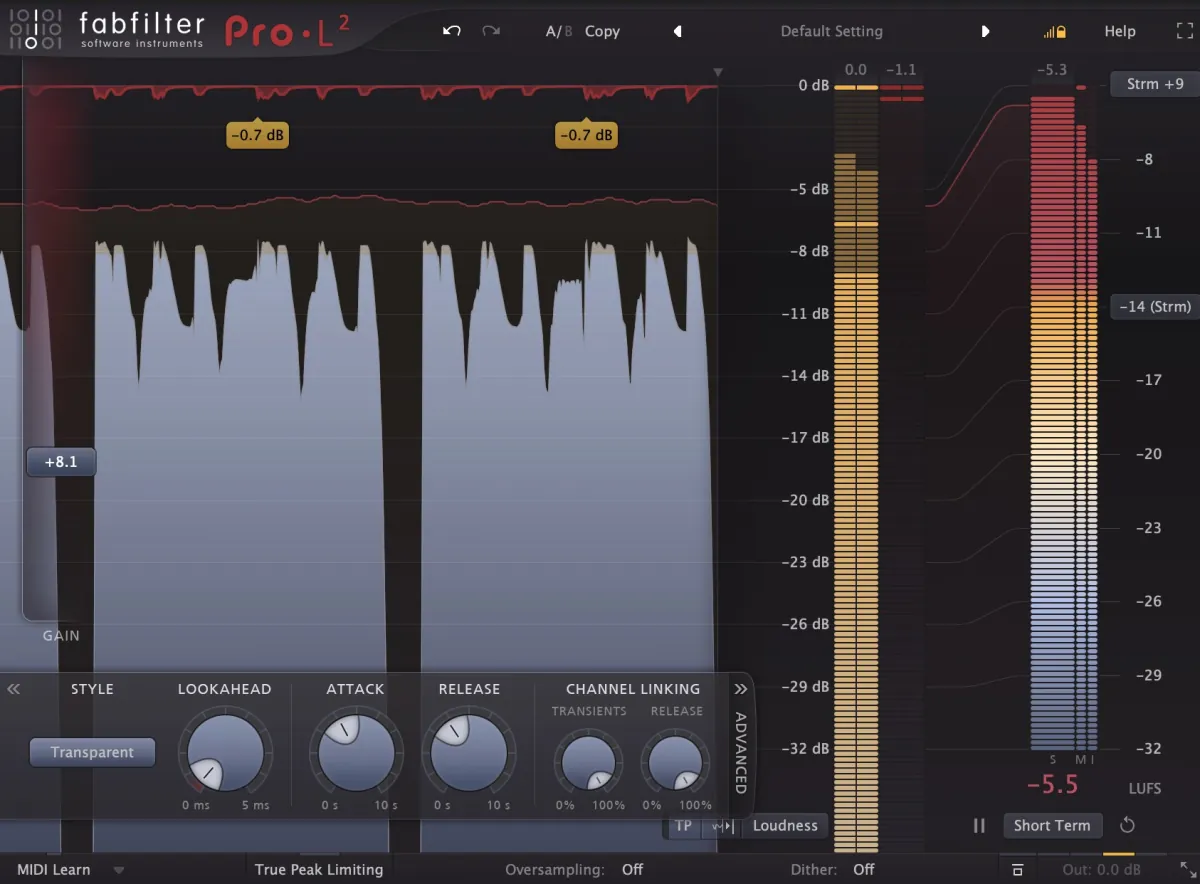
Now that everything is dialed in during mixing, it’s time to actually limit. Here’s my approach:
- I use Pro-L2 or any transparent limiter on the kick and bass group.
- I clip and limit them together at this stage.
- I want them hitting the limiter so they go into my mastering chain already controlled.
Why? Because this triggers the mastering limiter as little as possible. And that means:
- More headroom
- A cleaner, more transparent master
- Less pumping and distortion on the final limiter (preserved dynamics)
The red flag
If I’m limiting more than 2 dB on this group, something is wrong. That’s my red flag. When I see that, I go back to the individual kick or bass and address the issue there first.
Go too far and you’ll kill the punch and flatten the dynamics. Don’t do that.
Want this on your own track?
I master more than 1,000 songs a year for artists and labels, from stems or a stereo mix. Send me your track and I'll tell you what it needs.
A new tip like this every week, free: join the newsletter.
Work with me
Whenever you're ready, here's how I can help.
 MentoringMix & Master AcceleratorWeekly video reviews of your tracks, live group calls, and the business side of a studio career.By applicationApply now
 Preset packFUSION150 hand-crafted Valhalla VintageVerb presets. Three clicks to the sound you already hear in your head.20€Get the pack
 CourseAdvanced MicrodynamicsFour hours on the micro-level movement that makes a mix feel alive. Joined by 220+ students.149€See the course
 CourseLow End MasteryKick and bass chemistry, so your low end lands on club rigs and earbuds alike. Joined by 500+ students.159€See the course
 SoftwareStudiOSThe software I run my own studio on: deliveries, client feedback, versions and invoices in one place.14 days freeTry StudiOS