Mixing & Mastering Tips: the archive
94 tips from my weekly newsletter, free to read. Techniques from real mastering sessions, newest first.
AllMasteringPluginsMixingWorkflowLow endEQStereoSaturationLimitingCompressionVocalsLoudnessGearDynamicsCareerMonitoringBusinessDrumsHeadphonesReverb
2026
- How to pitch a track to labels: one private link per labelMy rules for pitching a track to several labels: a private link per label, count replays not opens, let them hear the real master, close links on signing.
- Why you shouldn't convert your master to 16-bit/44.1 kHz for streamingStreaming platforms prefer a high-resolution source. Why a 24-bit master at the session's sample rate beats a 16/44.1 file for Spotify and Apple Music.

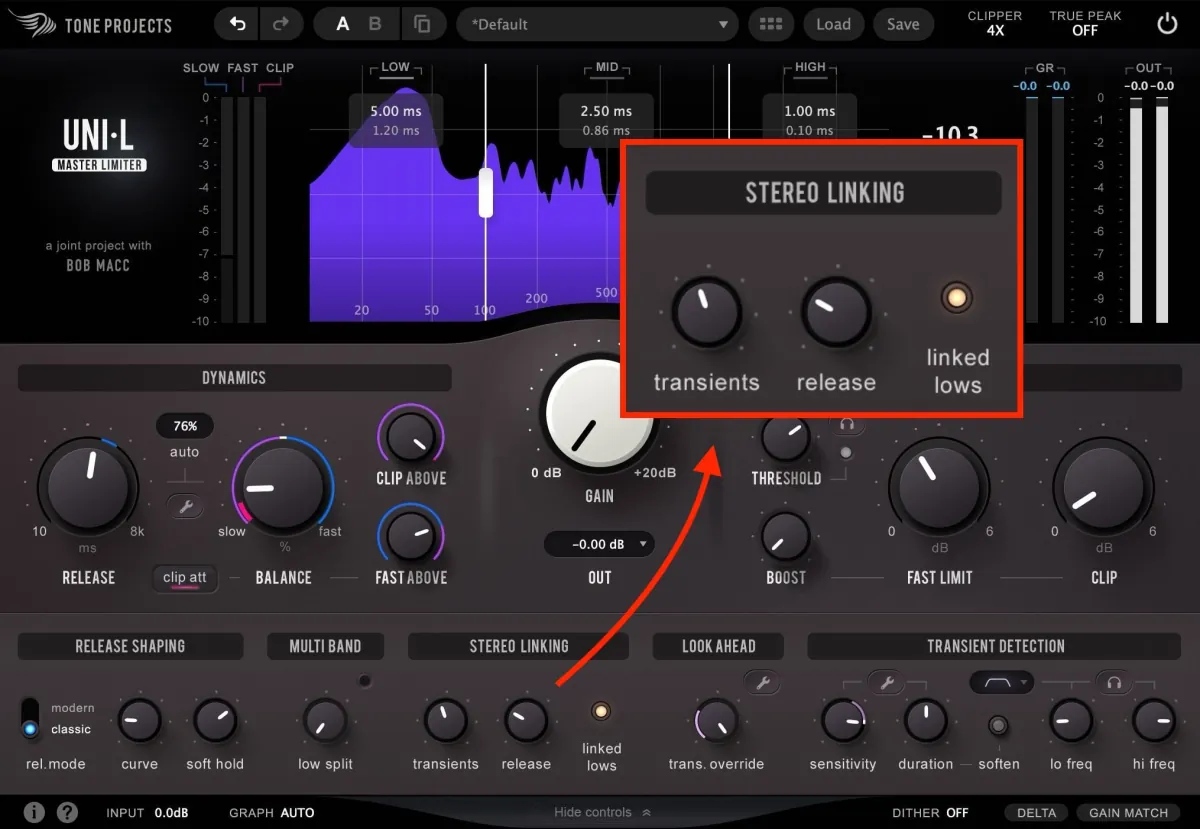
- Limiter channel linking: linked vs unlinked, and keeping lows linkedLinked limiting keeps the center stable, unlinked sounds wider but costs low-end punch. How Uni-L's Linked Lows gives you both.
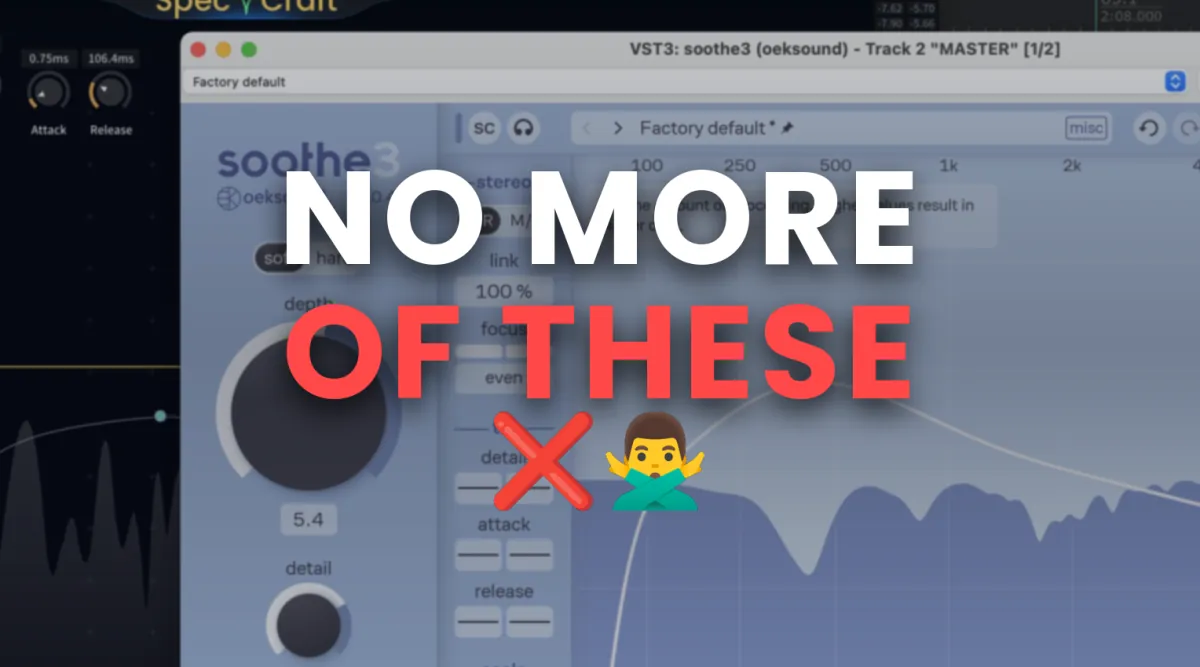
- Why I stopped using FFT resonance tamers on mix and master busesSoothe, Smooth Operator and SpecCraft damage the stereo image on any stereo bus, even used lightly. How to hear it yourself with a simple A/B.
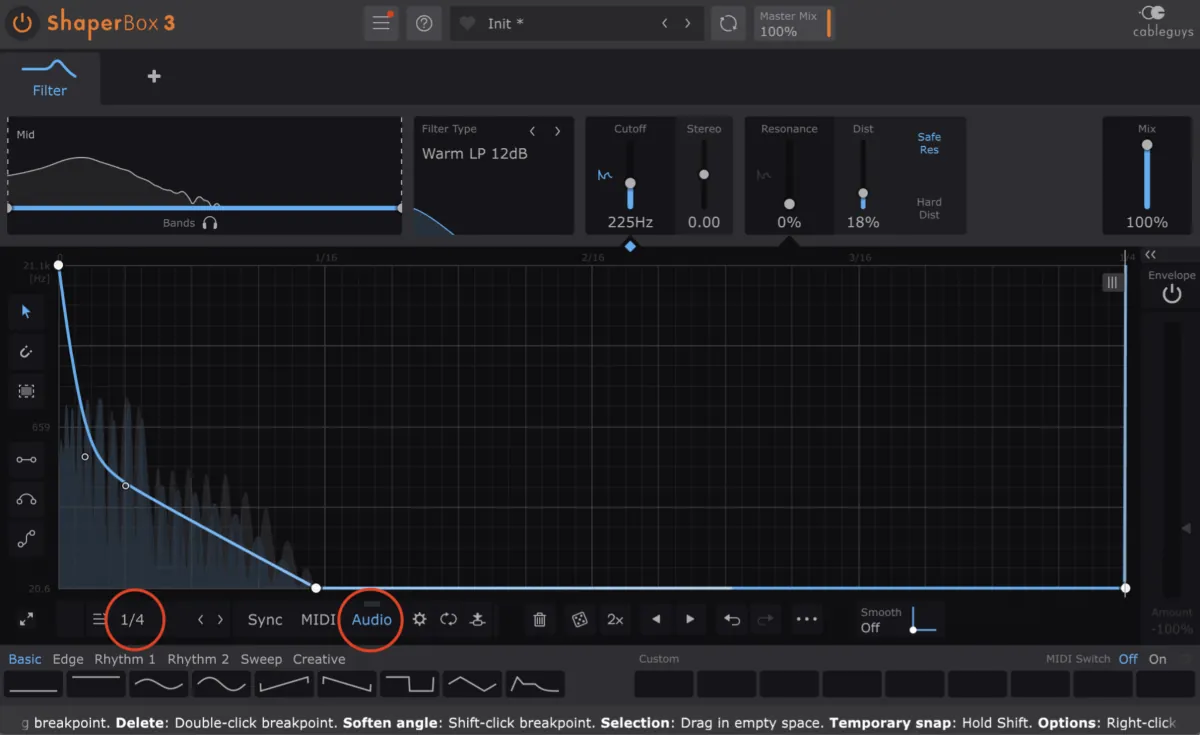
- How to fix a distorted kick with ShaperBox, and when to add harmonicsA ShaperBox 3 audio-trigger filter that removes kick distortion in 30 seconds, plus when to add kick harmonics with Spectre instead of RBass.
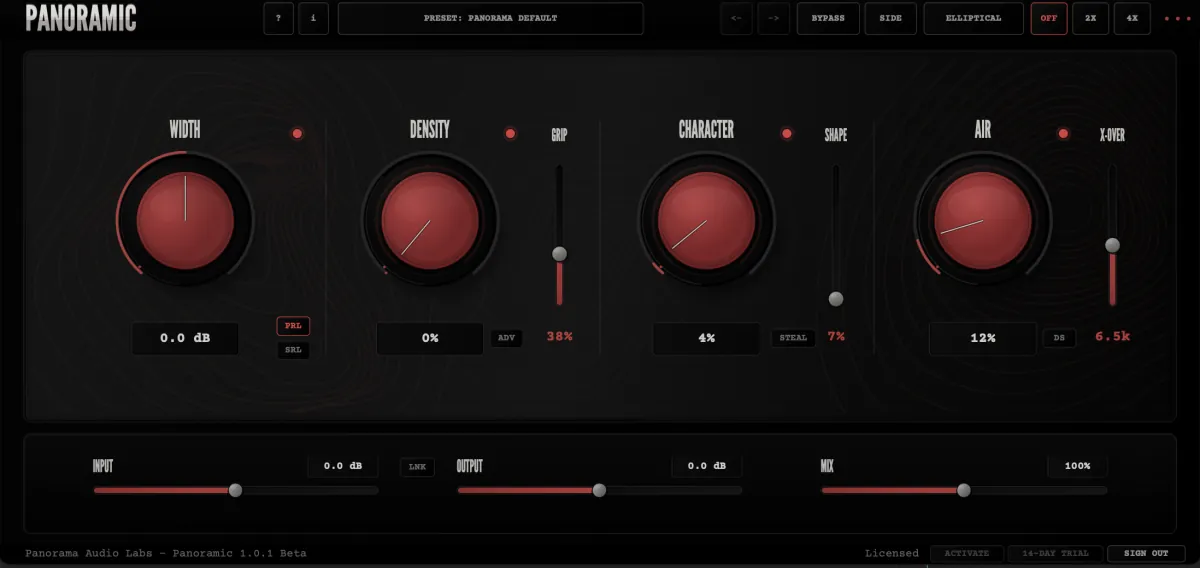
- Panoramic: a stereo field processor that replaced my parallel chainsPanoramic shapes side-signal density, character, air and width without phase tricks or delays, and stays mono compatible. How its four modules work.
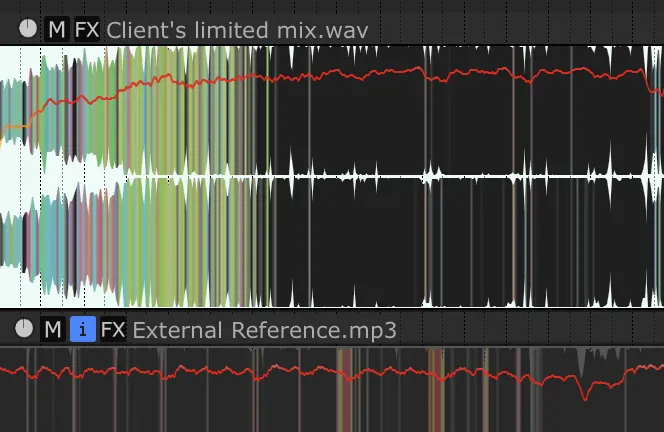
- The first steps of mastering: get the limited mix and level-match itBefore any processing, ask the client for their limited mix and match its level from the mix bus fader. Then choose clipper and limiter by ear.
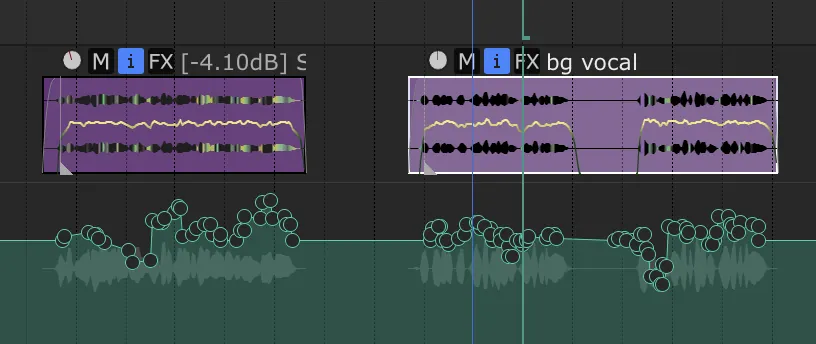
- How to get solid, consistent background vocalsSolid backing vocals come from consistency: manual automation, two-stage compression, aggressive de-essing and a chain on every track, not the bus.
- Sabol Hill Lacuna: the plugin I use for the last 5% of depthLacuna combines a 4-band EQ, stereo movement processor and saturator, adding subtle L/R phase movement. Where I use it: groups, synth buses, lead vocals.
- Why I use Equilibrium's Free Phase mode for mastering filtersDMG Equilibrium's Free Phase mode and a very long impulse length (262144) give me more transparent high-pass and low-pass filters in mastering.
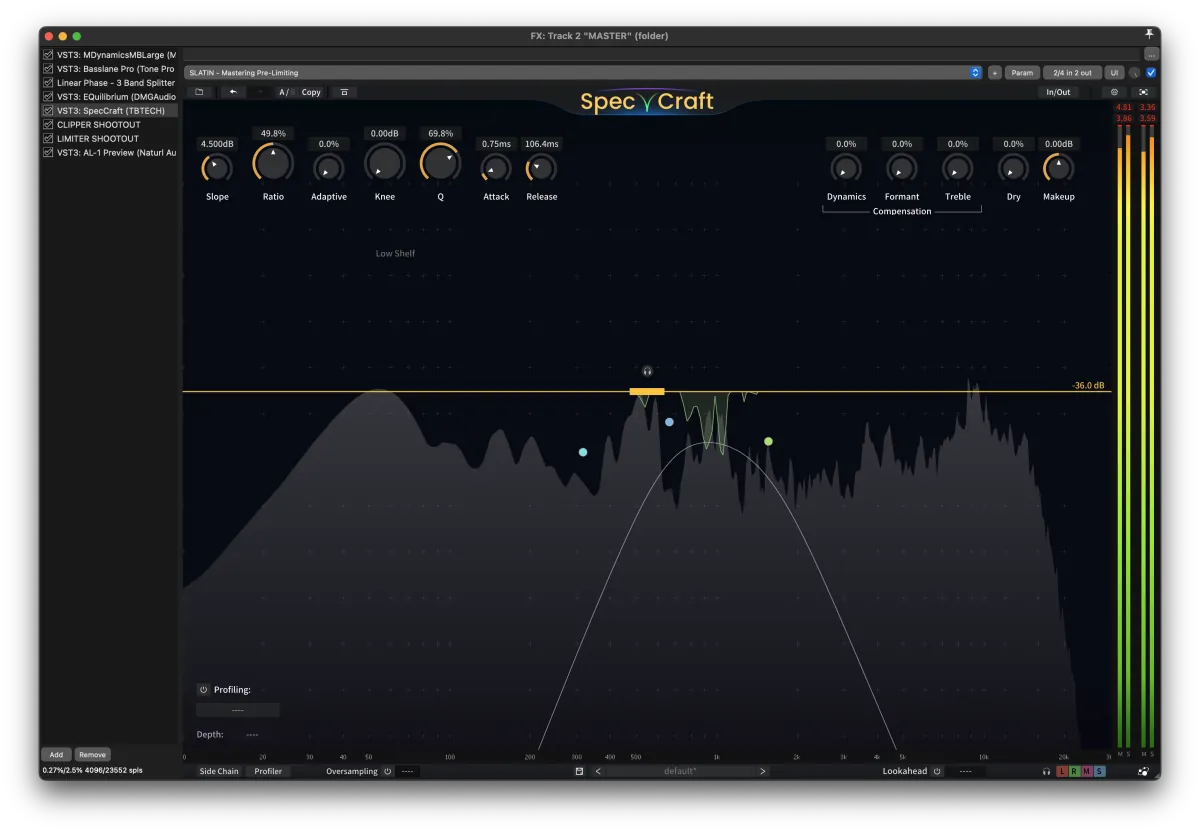
- Why your limiter distorts: resonant mids, not always the low endA single loud vocal note around 1 kHz can become the biggest peak and trigger your clipper. How I tame that resonance subtly before the limiting stage.
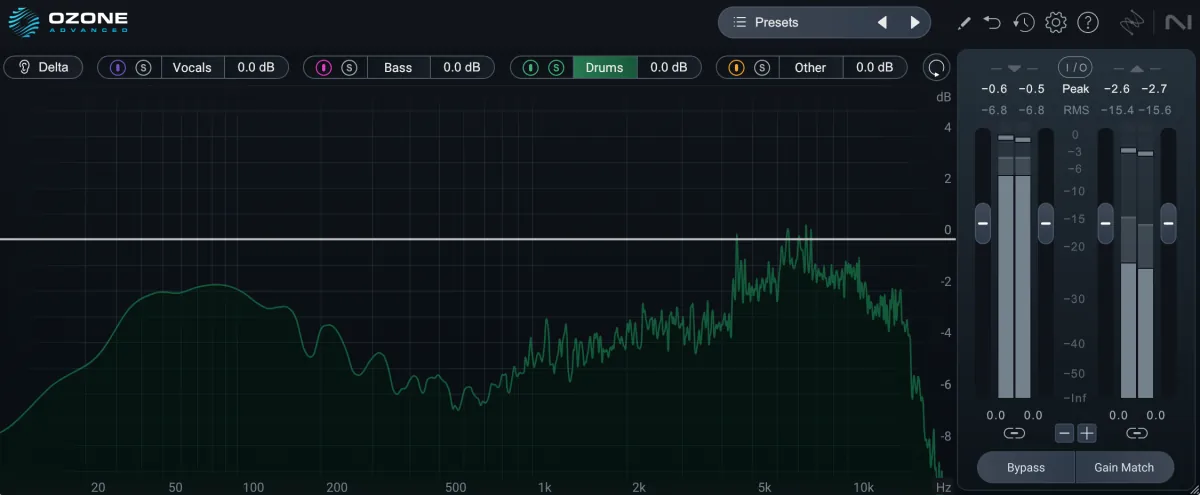
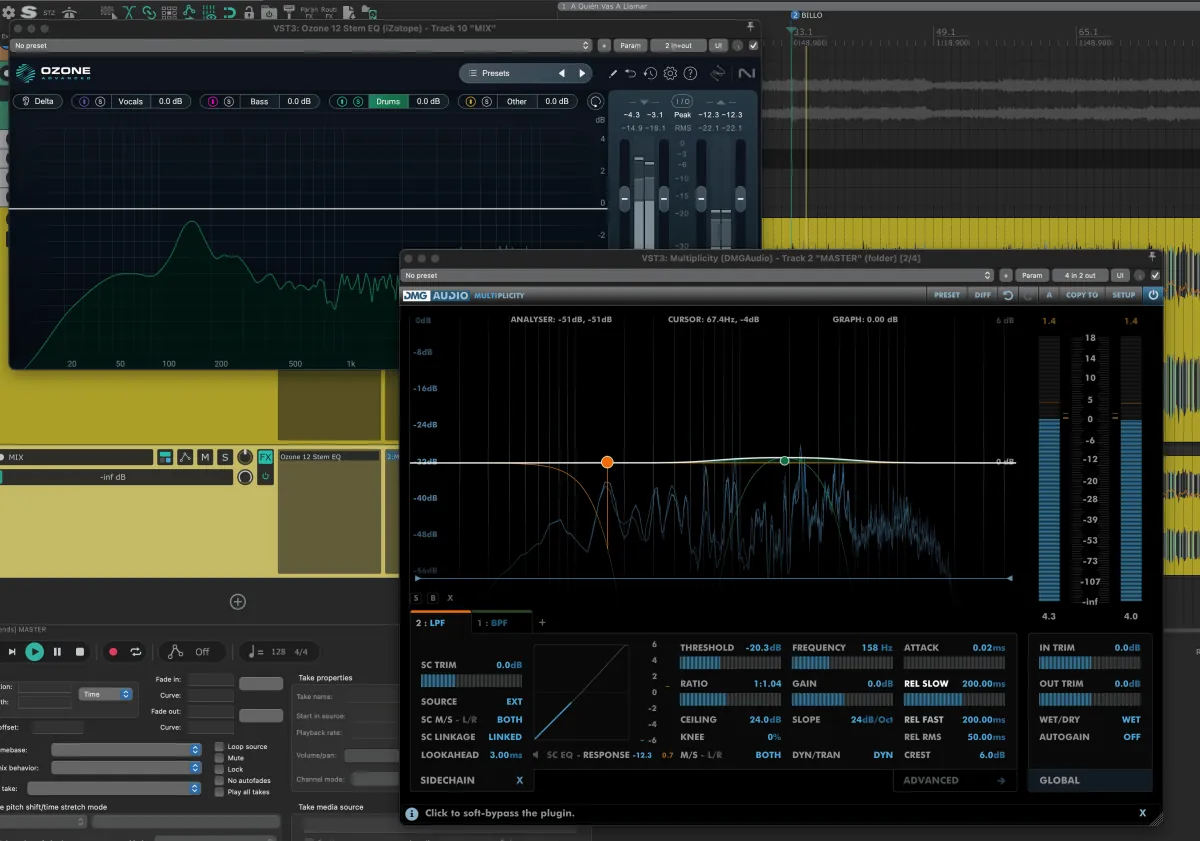
- How to bring back microdynamics on a stereo master without stemsIsolate the drums from a 2-track master with Ozone Stem EQ, send them pre-fader as a sidechain, and expand the master only when the drums hit.
- How to make vocals brighter without boosting the sibilanceSplit the vocal with a dynamic split processor like Masterlab DynaQ, isolate the S's in the Above band, then boost the Below band for clean brightness.
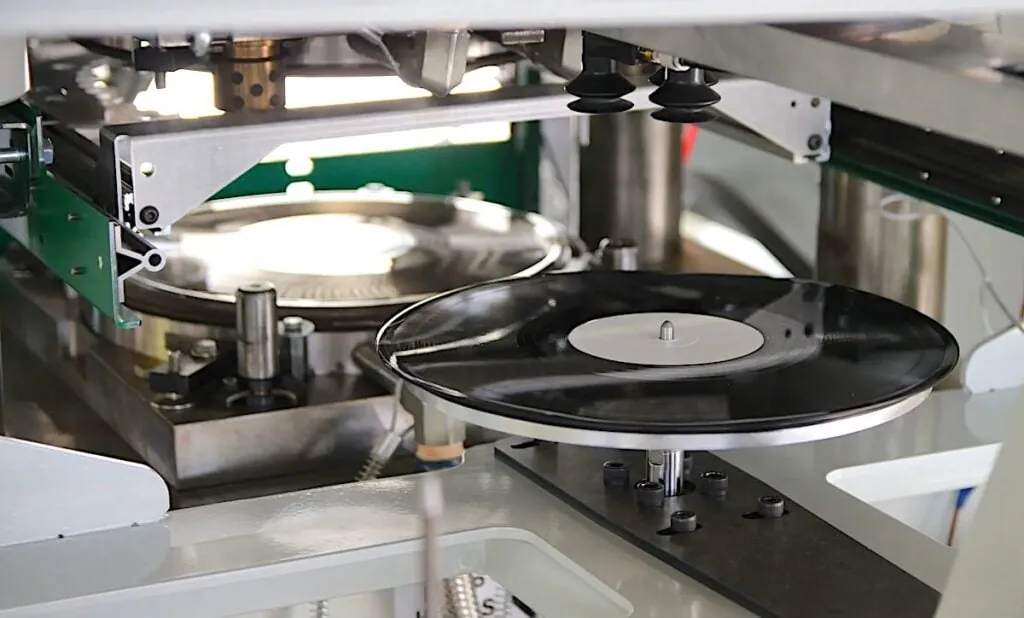
- How to prepare a clipped digital master for vinyl when mixes are goneVinyl hates square waves. How I unsquare a brickwalled master for vinyl cutting with analog tubes and transformers, and what to try in the box.
- Why Soothe collapses your stereo image (and what I use instead)FFT plugins like Soothe narrow the stereo image even at the highest quality settings, Soothe3 included. How to hear it, and why I use SpecCraft.
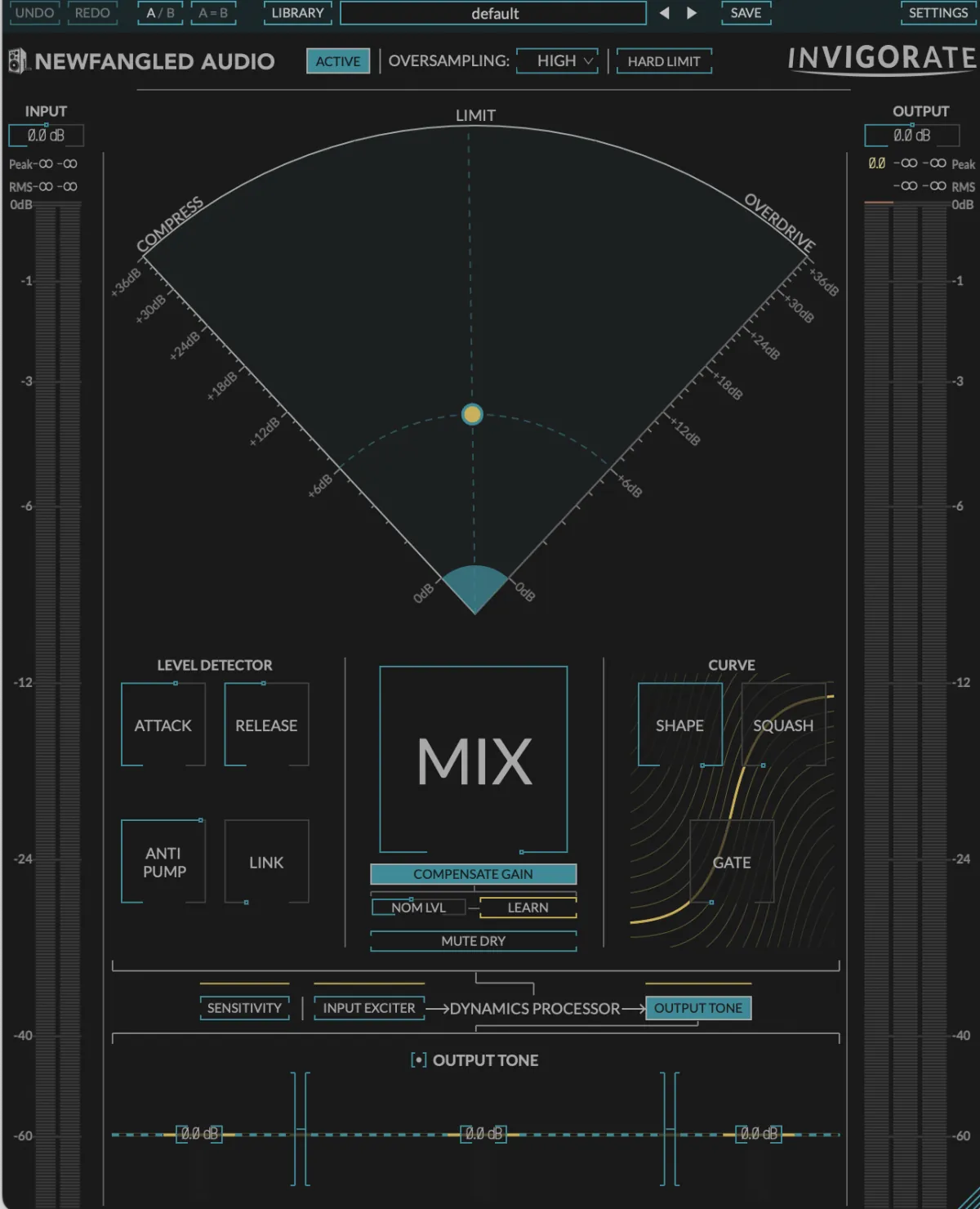
- How I use Eventide Invigorate on vocals, drums and the mixbusInvigorate blends compression, limiting and distortion on one control. How I use it on soft vocals, flat drum buses and, very lightly, the mixbus.
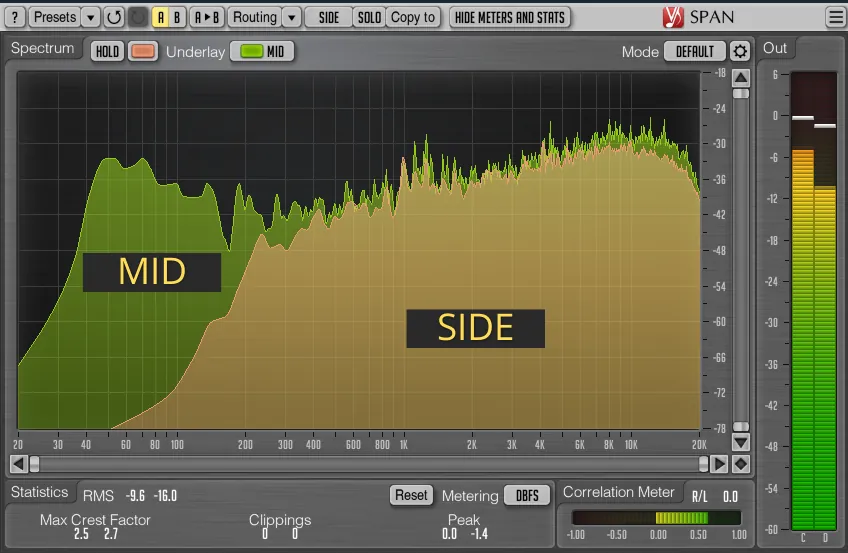
- The 1 dB mid/side rule for mastering wide mixesFor wide mixes I aim for mids about 0.5-1 dB louder than the sides. How I check the mid/side balance in Voxengo SPAN without letting the meter decide.
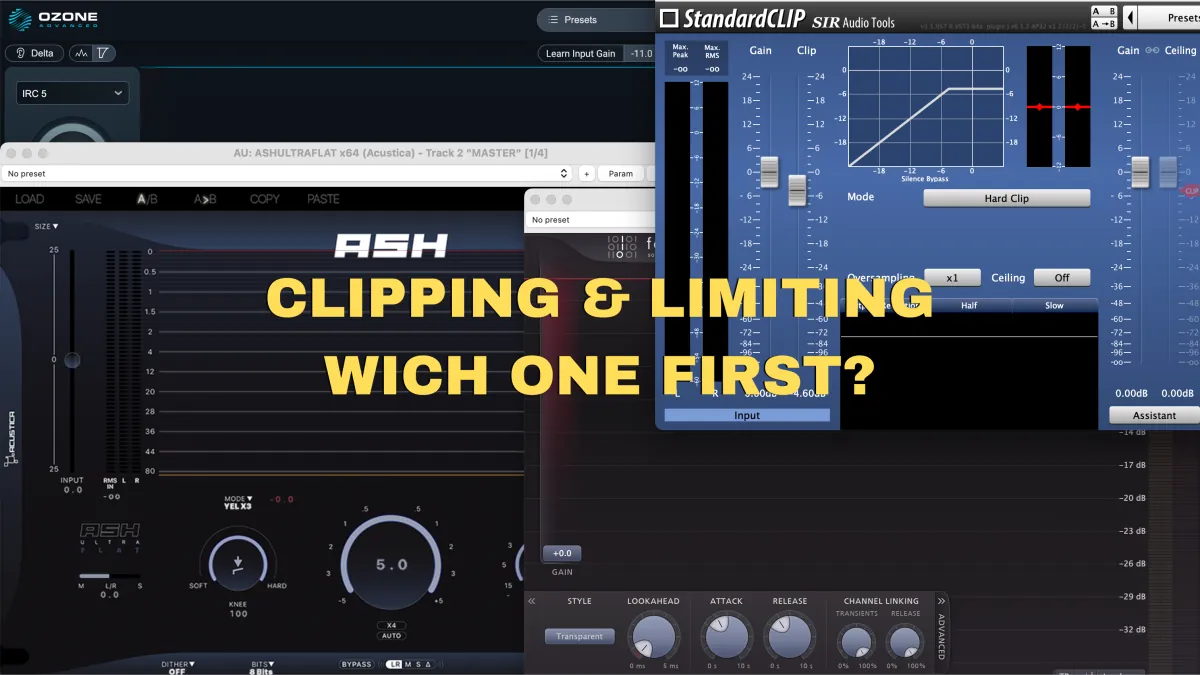
- Clipper then limiter, or limiter only? When clipping hurts a masterClipping before limiting works on most loud songs, but it reshapes low end transients. When a limiter alone sounds better, and how I A/B the two.
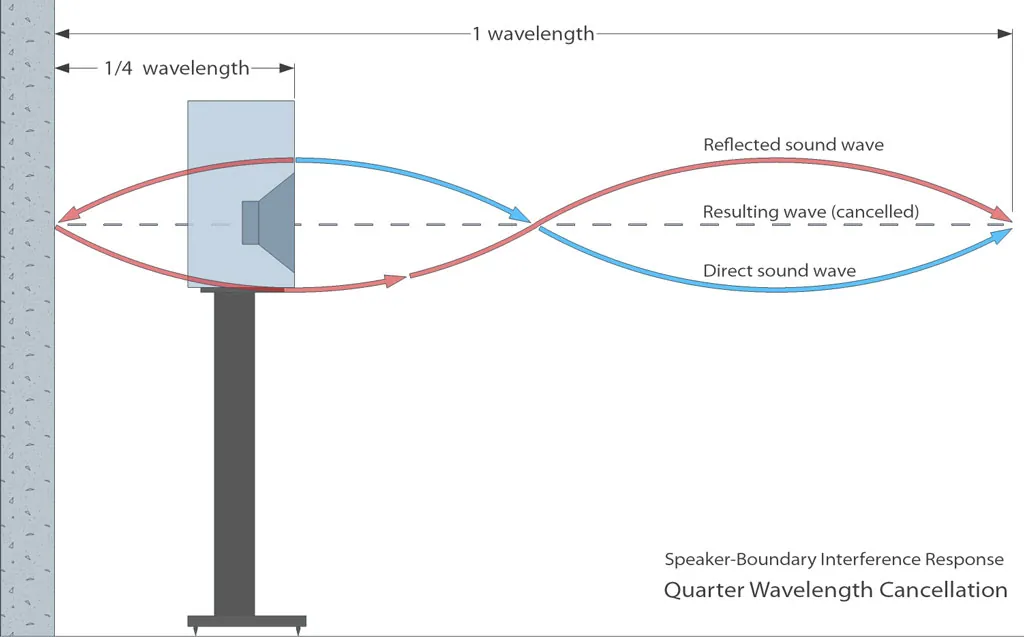
- SBIR or room mode? How to diagnose a 100-130 Hz dip in your studioA dip around 100-130 Hz can be SBIR or a room mode. A four-step speaker and listening-position test tells them apart, and why bass traps won't fix SBIR.
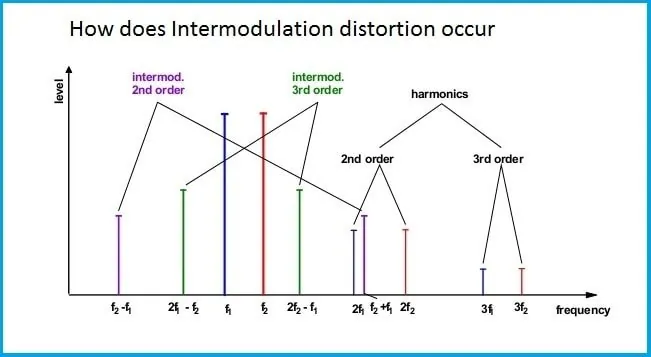
- What is intermodulation distortion (IMD) and how does it affect sound?IMD explained with the math: how nonlinear gear creates sum, difference and third-order products, why they sound dirty, and where IMD enters your mix.
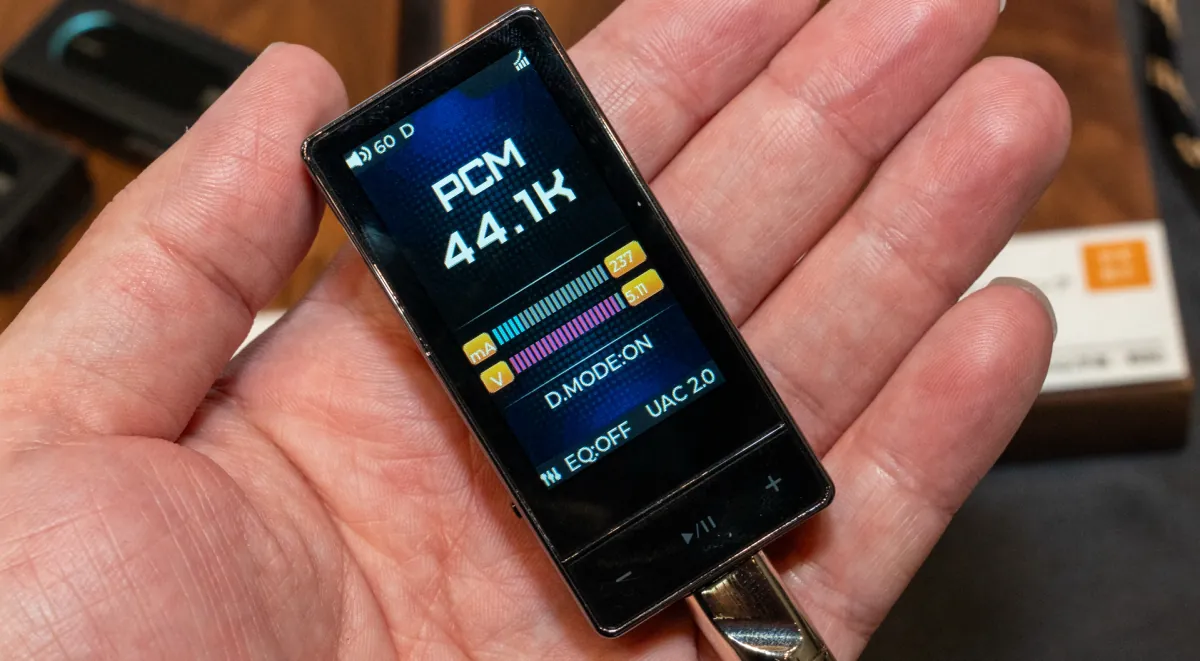
- My portable mastering setup: FiiO QX13 with headphone correction EQHow I get the same headphone sound on the road: FiiO QX13 driving Audeze MM-500 at 96 kHz, with my Oratory correction curve loaded in its built-in EQ.
- What headphones hide when you mix on themNo crossfeed, no body cues, a louder centre and hidden low-end phase problems: why headphone mixes fall apart on speakers, and how to use both.
- Can you save a bad vocal recording in the mix?Headphone spill, harsh S and F sounds, muffled top end: when to stop fixing a bad vocal recording and work with it instead of overprocessing it.
- Where to start a mix: mute the vocals and build the low end firstI rarely touch vocals first. I mute them, focus on the instrumental and start with the low end, because vocals never sit right on a weak foundation.
- Which Soothe 2 resolution sounds best? Why I use Normal, not UltraHigher Soothe 2 resolution chases tiny high-frequency harmonics, sounds sterile and costs CPU. Why Normal sounds most natural, unlike Gullfoss.
- Why your export sounds different: check plugin offline settingsIf a render sounds darker or smaller than the session, check plugins' offline oversampling settings. How Soothe 2 changed my album exports.
- Why waveshaping, saturation, clipping and compression are one ideaAll of them are an input-to-output transfer curve. Compression adds time, waveshaping is instant, clipping is hard waveshaping, limiting adds time.
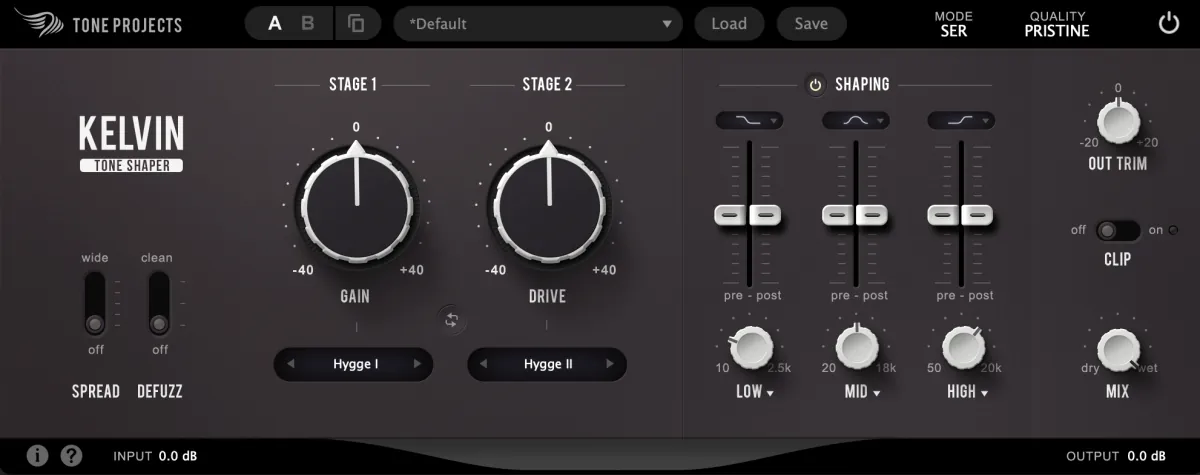
- Kelvin's default preset sounds like my analog tube EQToneProjects Kelvin's default setting on a master is the closest plugin I've heard to passing audio through my Wes Audio TubeEQ with no EQ moves.
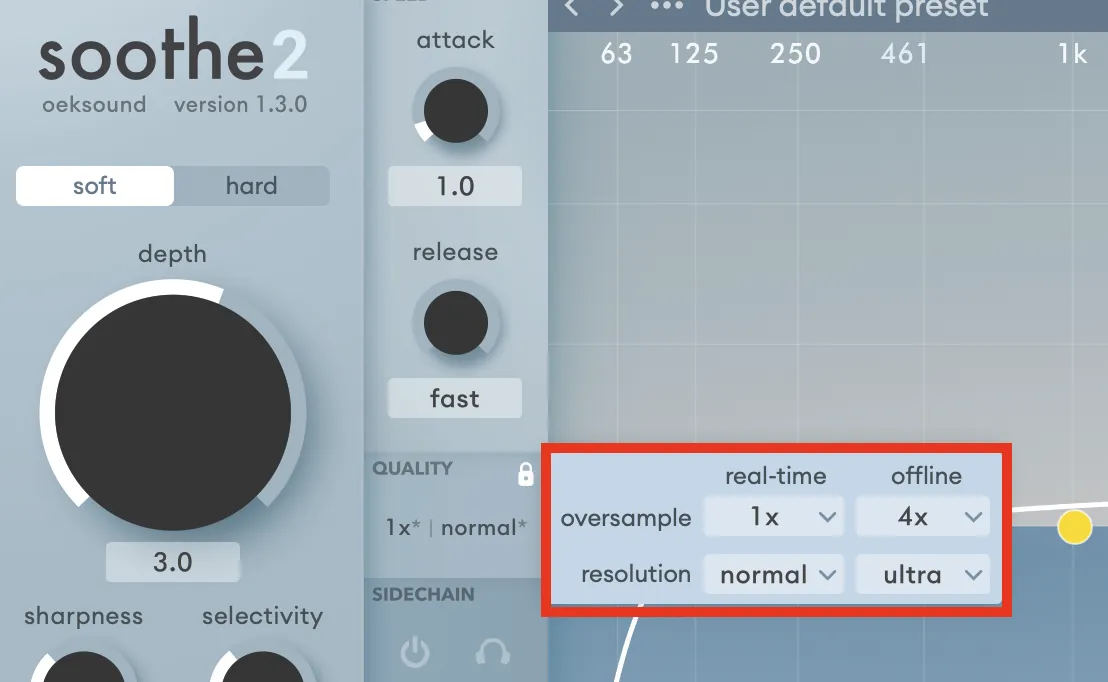
- Why real-time and offline renders sound different in every DAWSome plugins silently raise internal oversampling during offline bounces, changing nonlinear processing. Why exports differ and how I choose between them.
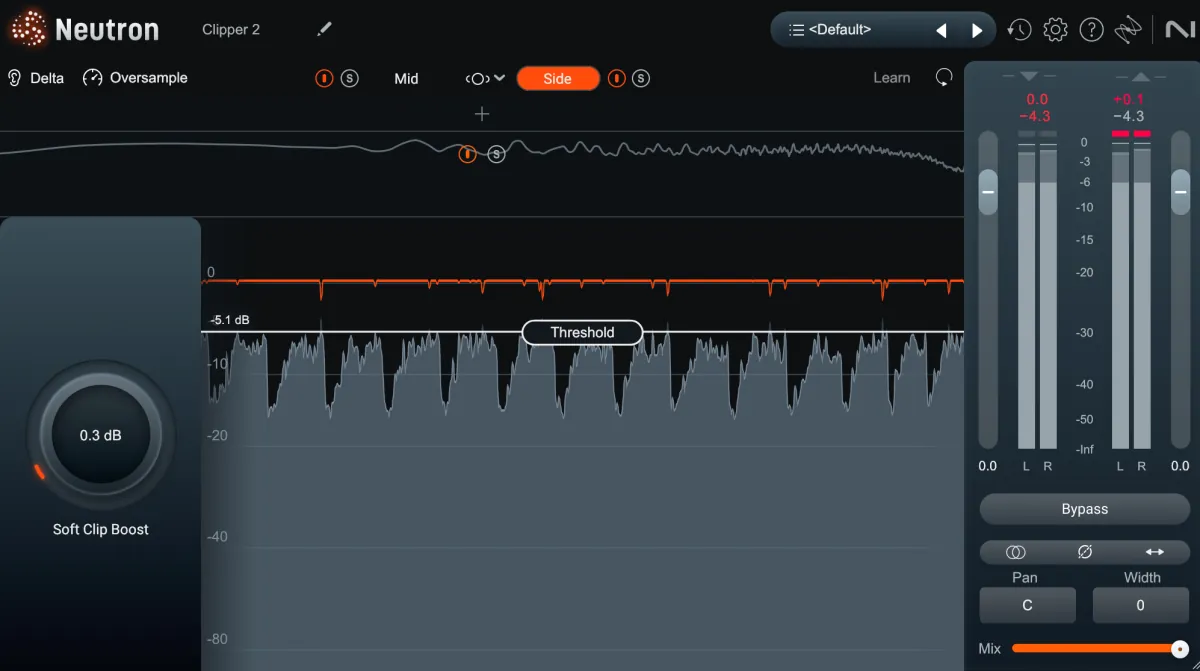
- Mid/side clipping on the sides for louder, wider EDM mastersAfter your main clipper, add a second clipper in mid/side mode and clip only the side peaks, then add a little soft clip. Why it adds width and LUFS.
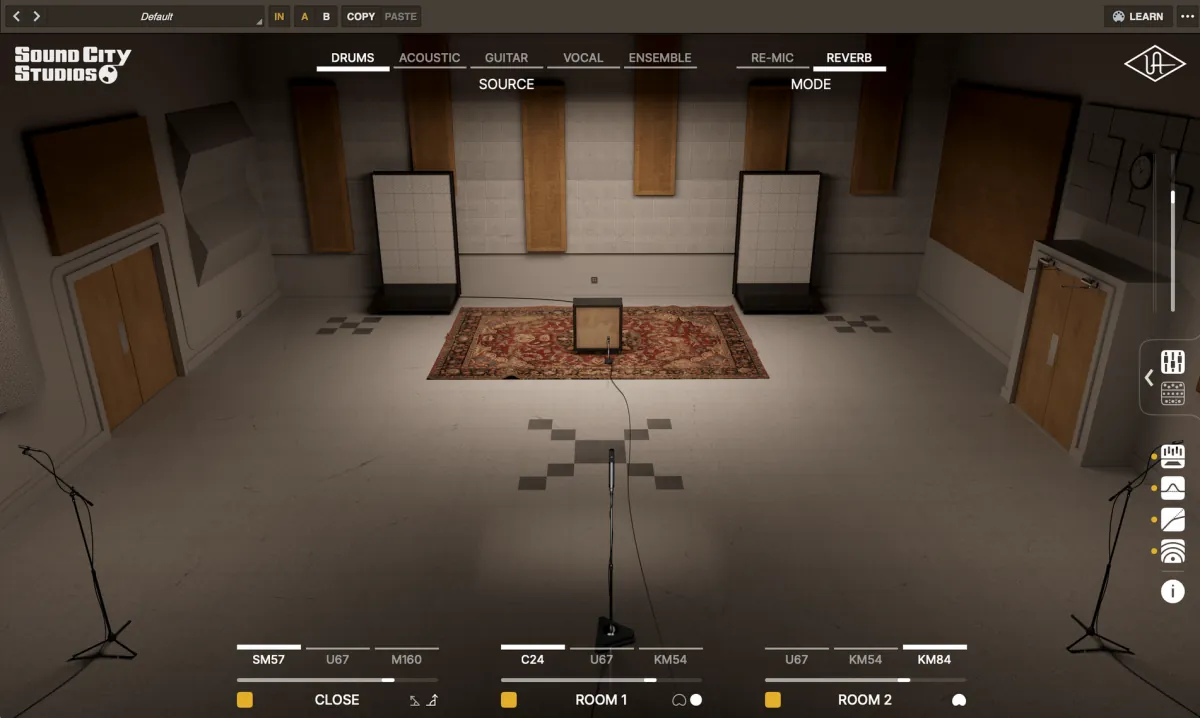
- How to add natural room depth to live drums with a parallel room sendWhy I run UAD Sound City on a parallel send, never an insert, how I pick mic positions, and how EQing the send fixes boom, metallic tails and presence.
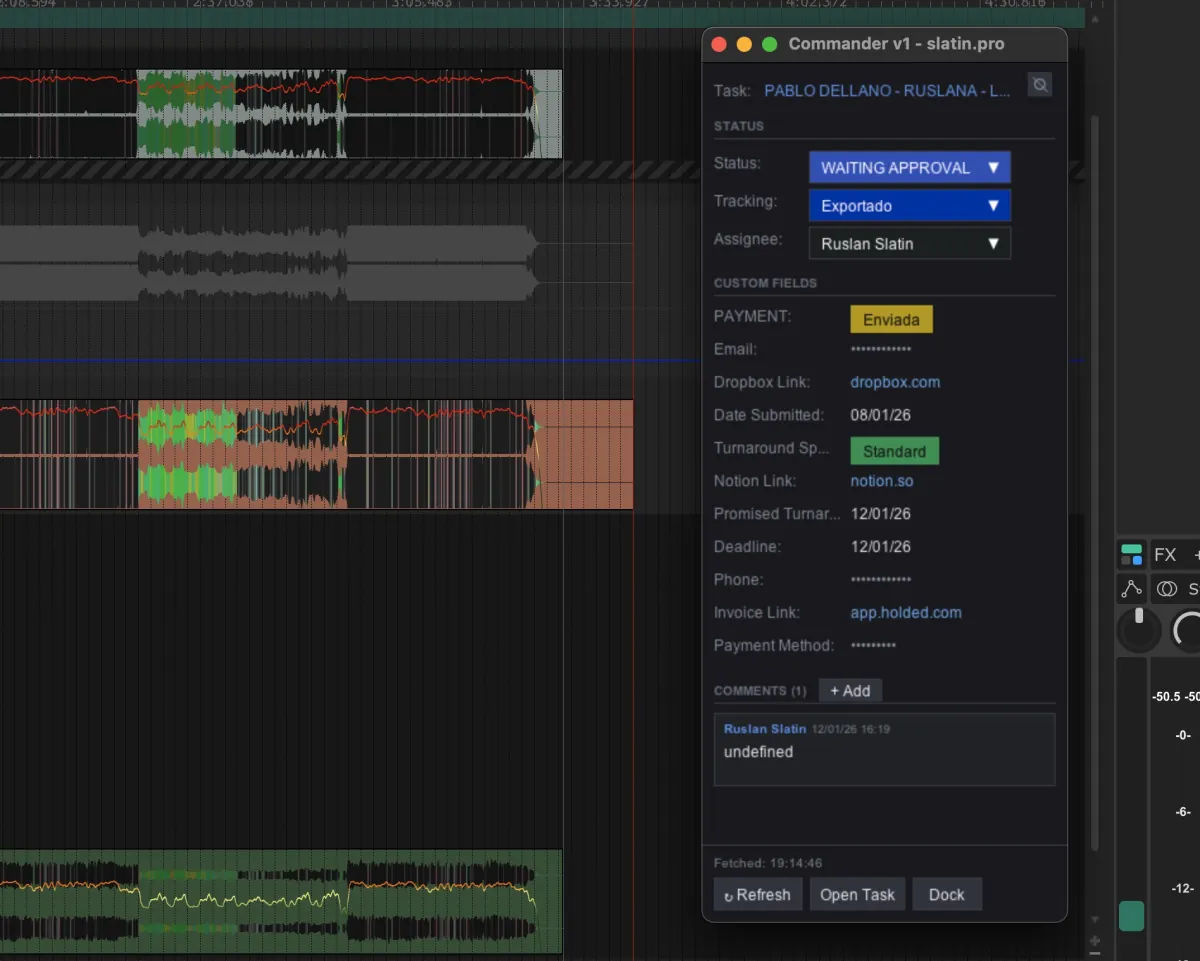
- How I connected my task manager and client data to ReaperA custom Reaper integration that shows project notes, status, invoices and deadlines in real time for the open session, so I never leave the DAW.
- How to limit kick and bass together for cleaner, louder mastersGroup kick and bass, check their peaks with a limiter, fix the mix first, then limit the group lightly so the mastering limiter works less.
2025
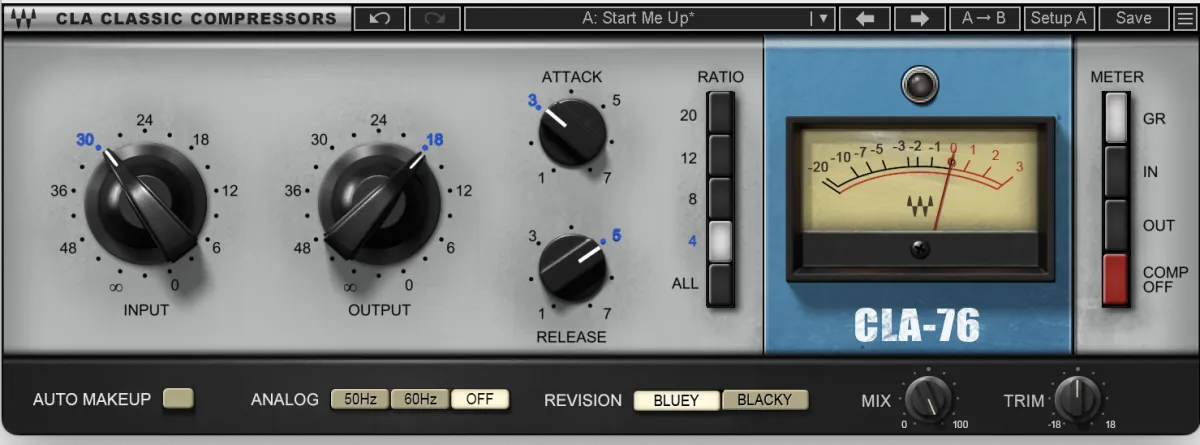
- The vocal compressors I actually use (and why LA-2A isn't one)My vocal compression chain: RVox first, CLA-76 on insert and UAD 1176 in parallel, Distressor for rap, MC2000 for multiband, and DynAssist for gain riding.
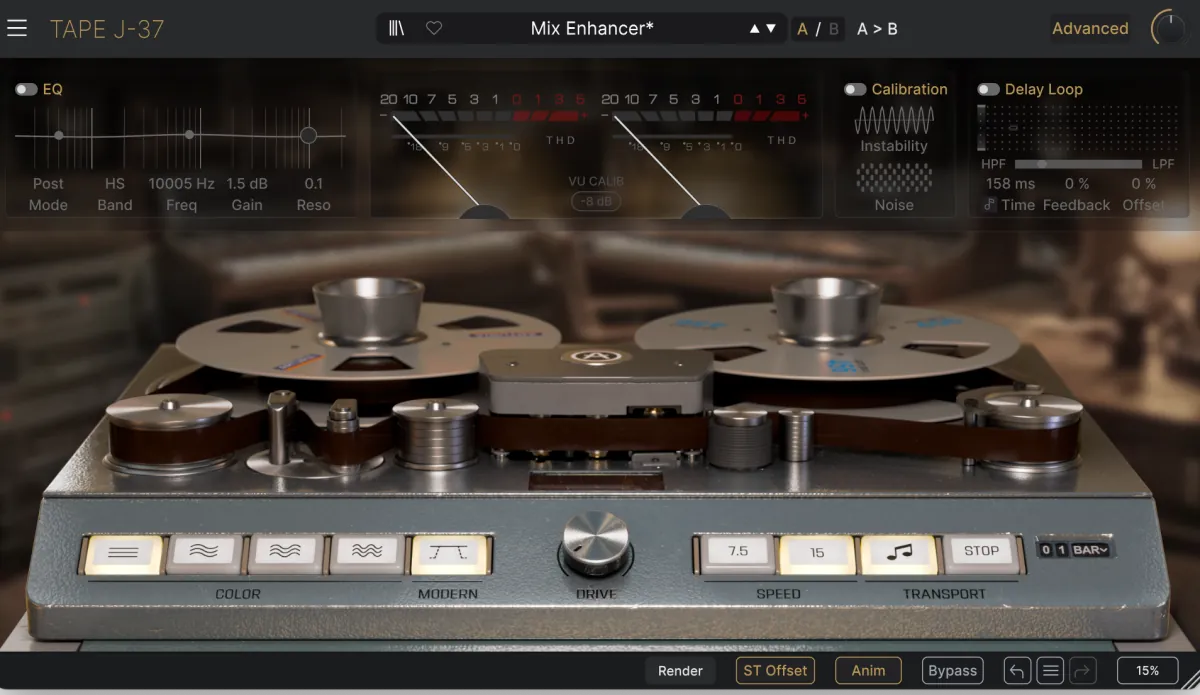
- How I use Arturia Tape J-37 on vocals, synths and parallel bussesArturia Tape J-37 became my go-to tape for mixing and stem mastering: on digital vocals, cold synths and parallel busses, with Color 1 and Color 4.
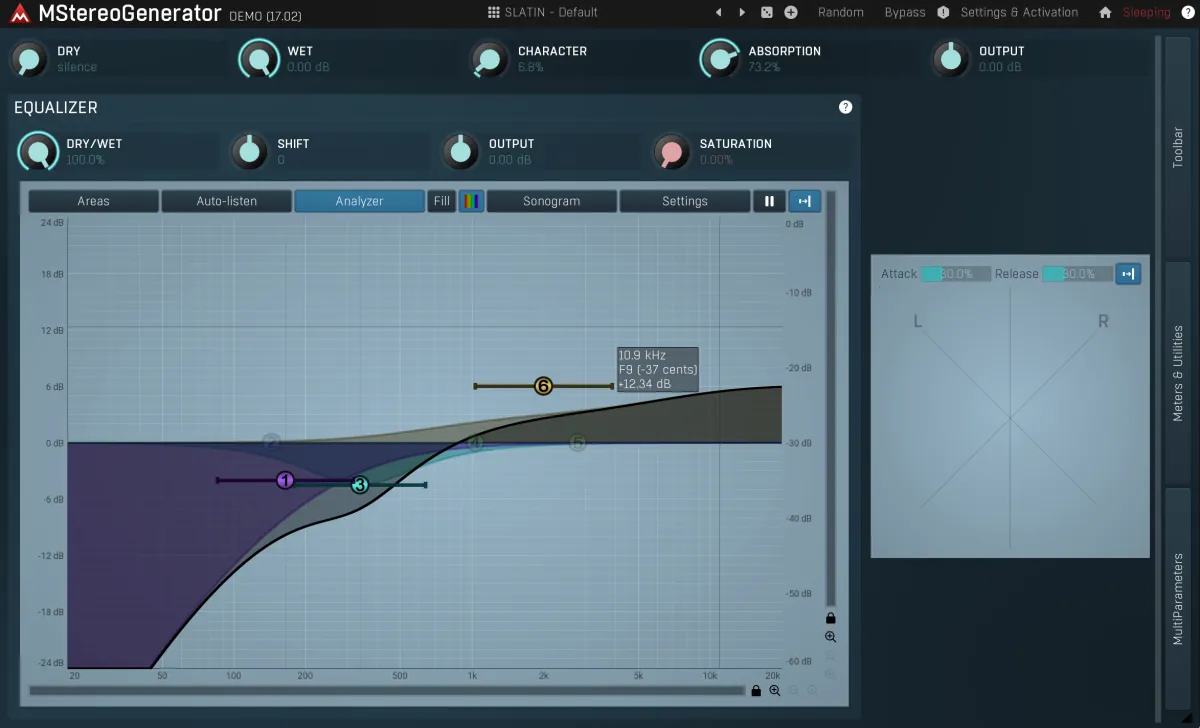
- MStereoGenerator: the shortest reverb for transparent stereo widthMStereoGenerator simulates a tiny room under 100-200 ms for transparent width, even in stem mastering. Cut below 100 Hz to avoid comb filtering and mud.
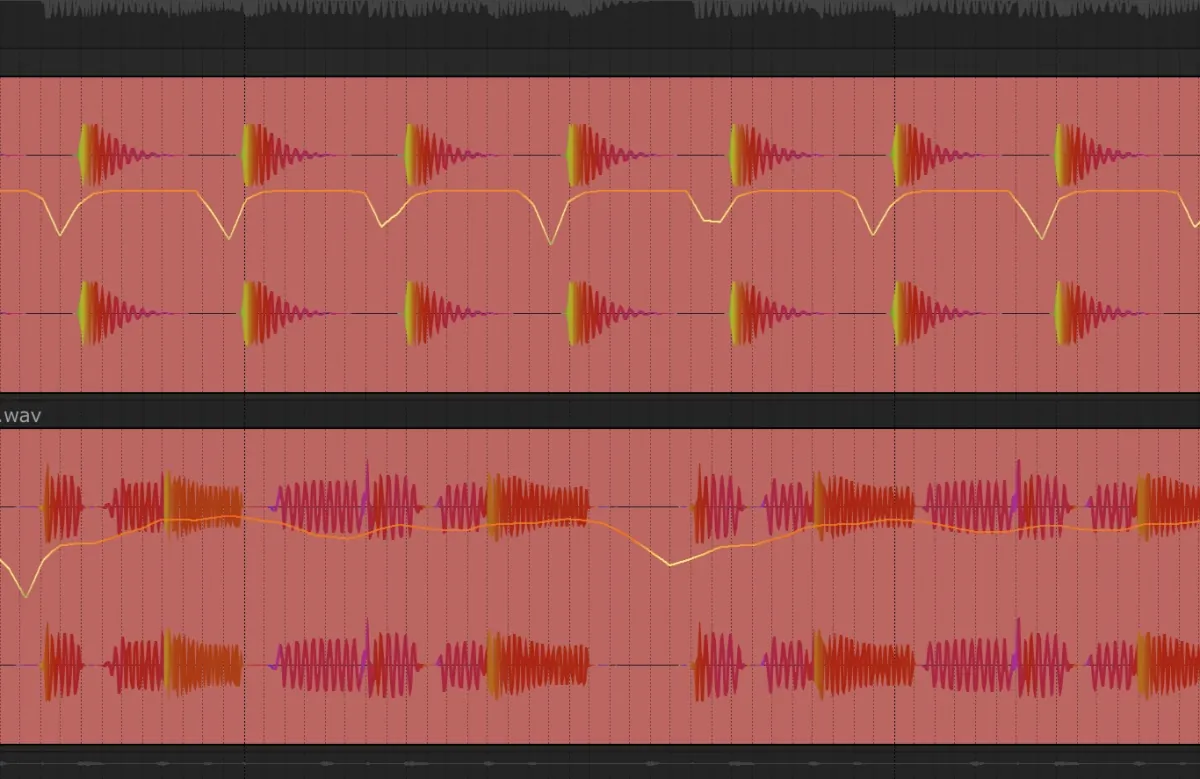
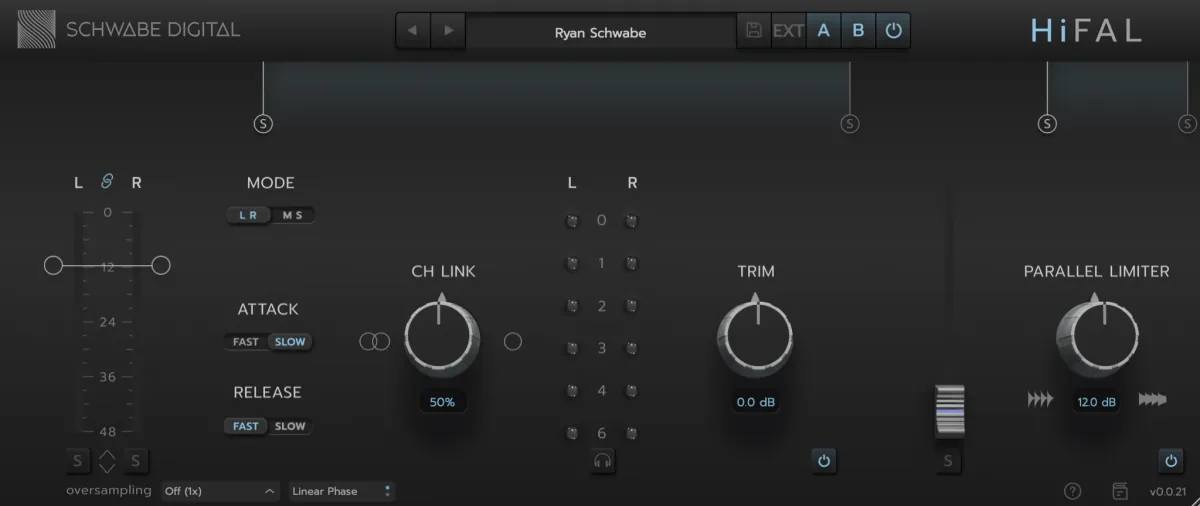
- What acceleration limiting is and why I use Hifal on most mastersAcceleration limiting comes from vinyl mastering. How Hifal smooths harsh top-end transients and relaxes the limiter for cleaner loudness.
- The science behind the bass face: why heavy bass hits your brainWhy we pull a bass face: sub frequencies trigger ancient survival circuits, the amygdala and dopamine, and the tension releases through your face.

- Why I refuse to mix or master without a demo mix from the clientA client's demo or raw mix shows the vision, vibe and element placement. Why I always ask for one, and how it keeps revisions to a minimum.
- Soothe 2 vs SpecCraft vs Smooth Operator: when I use each oneHow the three resonance suppressors behave differently: Soothe's smoothed timing, SpecCraft's per-band precision, Smooth Operator's analog-like tone.
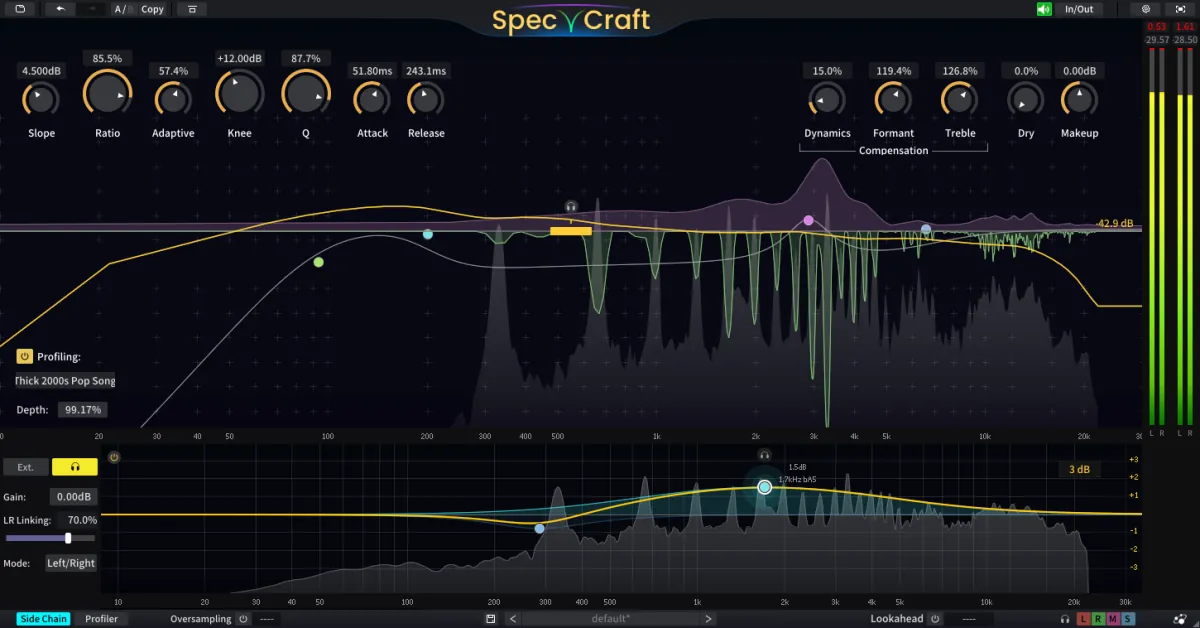
- How to use Ozone Stem EQ as a drum sidechain for dynamic EQOzone's stem separator flattens width and depth on a master. Instead, use a soloed-drums duplicate as a sidechain for a dynamic EQ to add microdynamics.
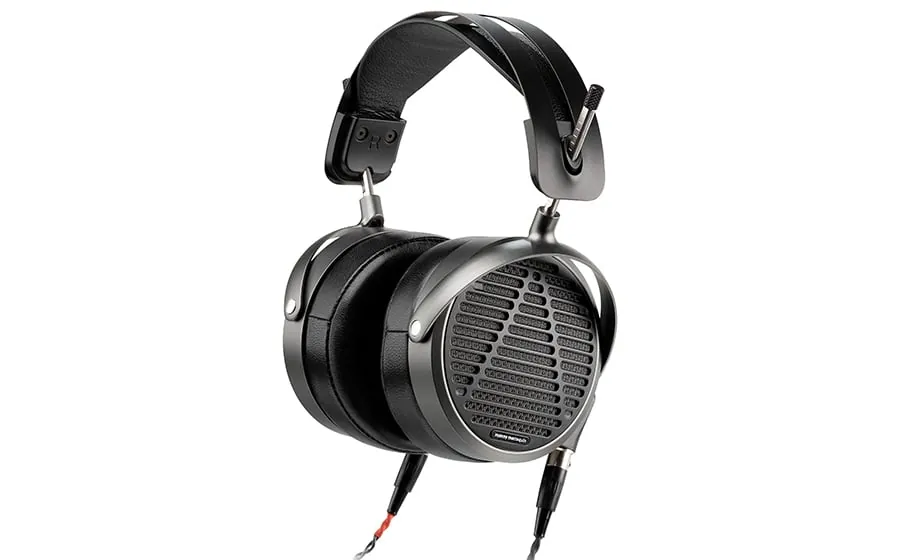
- Do low impedance headphones really need less power?32-ohm headphones draw more current, 300-ohm need more voltage. Why impedance alone misleads you, what to check instead, and the amps I recommend.
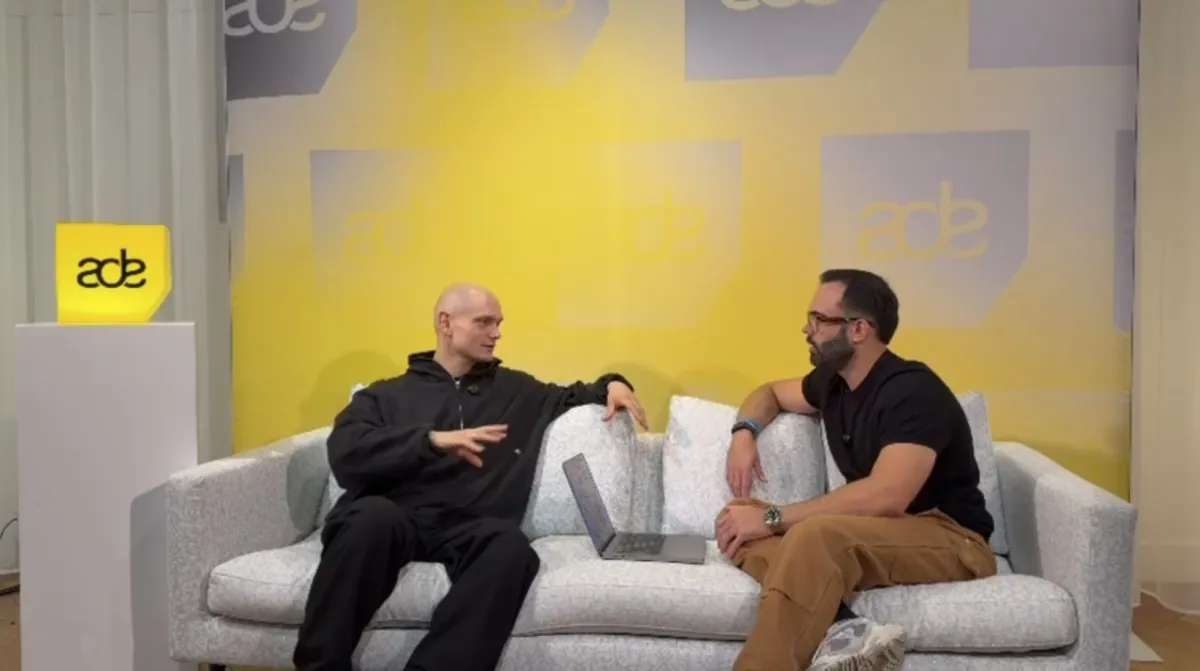
- Is Amsterdam Dance Event (ADE) worth it for producers and engineers?Why ADE is worth going to if you work in electronic music: stacking 5-10 meetings a day, using the Pro Pass database, and booking 6-7 months ahead.
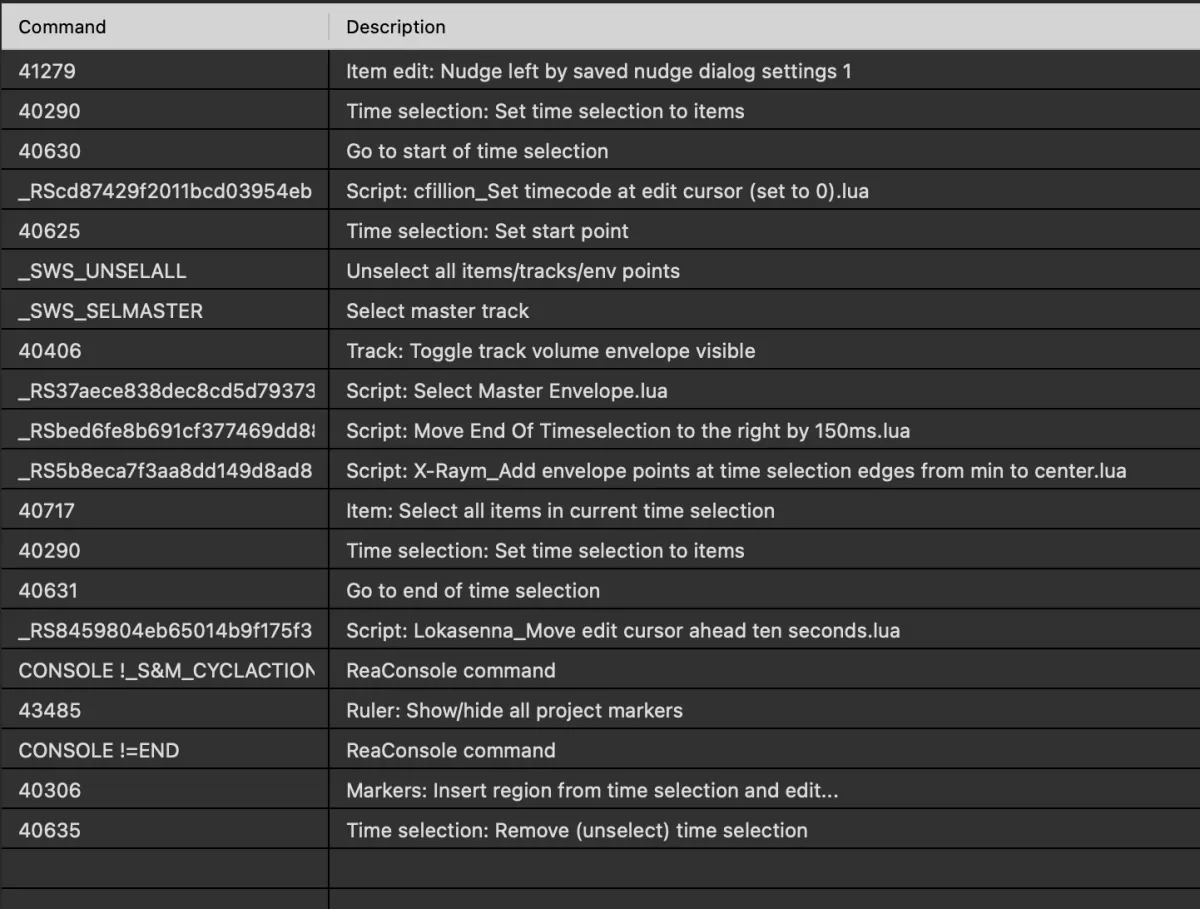
- How Reaper custom actions save time in mixing and masteringReaper custom actions turn multi-click routines into one key. My one-press region action and a cycle action that switches digital and analog master chains.
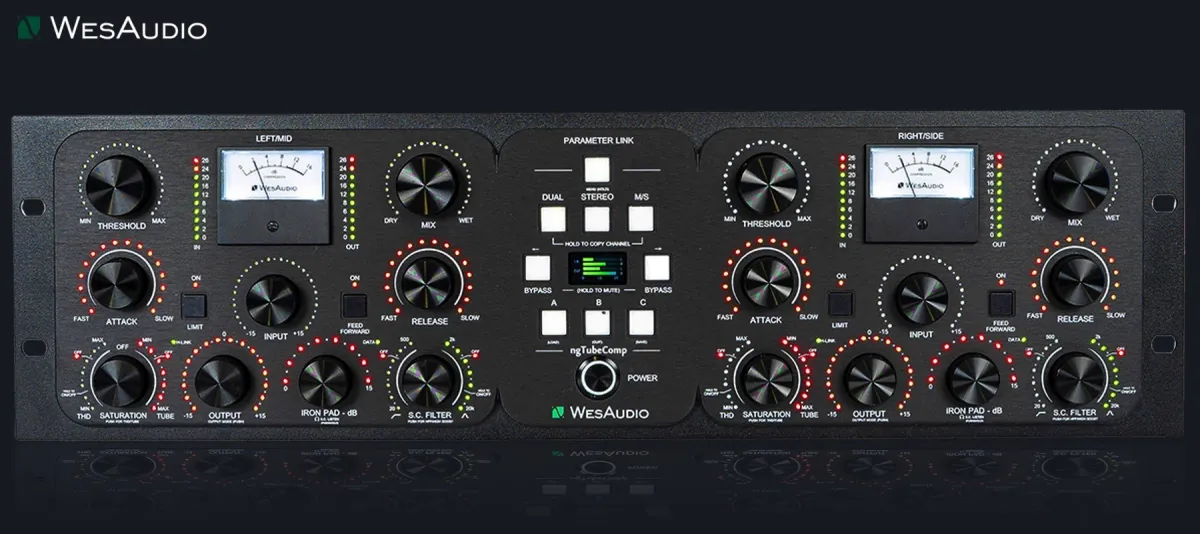
- Vari-mu for mastering: why I kept the WES Audio tube compressorThe WES Audio vari-mu barely compressed loud masters, but I kept it for its sound. Why analog tubes add depth that plugins can only get close to.
- Where AI mastering fails: loud and wide, but not musicalAI mastering is trained on what's normal for a genre, so it struggles with unusual mixes and kills groove and dynamics while making things loud.

- Self-release or record label? What labels actually look forLabels assume your music is good. What they buy is your brand and audience. Why I recommend new artists self-release first, then approach labels.

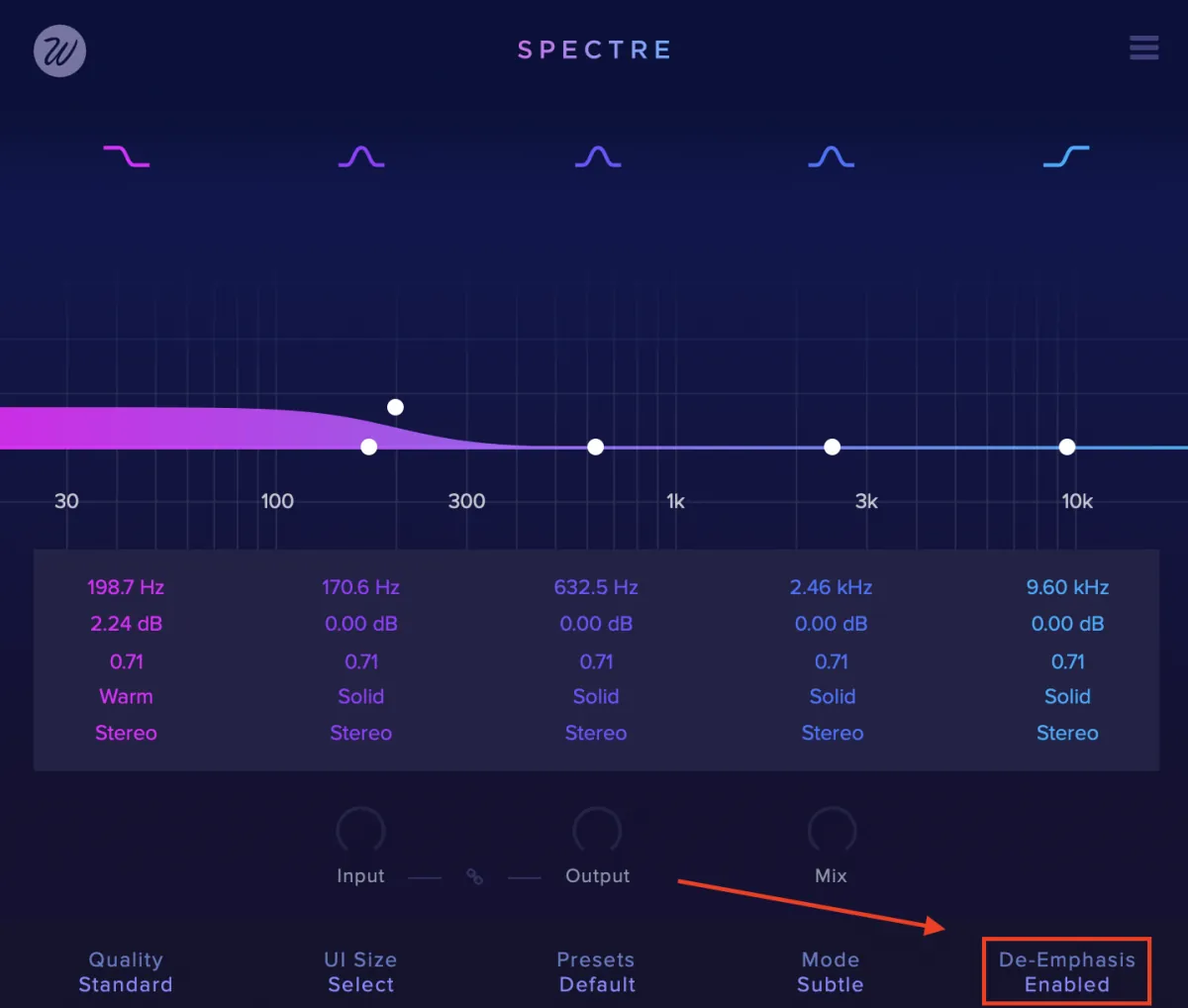
- Spectre's De-Emphasis mode for low end, and why I moved from BassXXLSpectre's hidden De-Emphasis switch adds bass harmonics without boosting the fundamental. Why I prefer it to RBass and BassXXL for tight kicks.
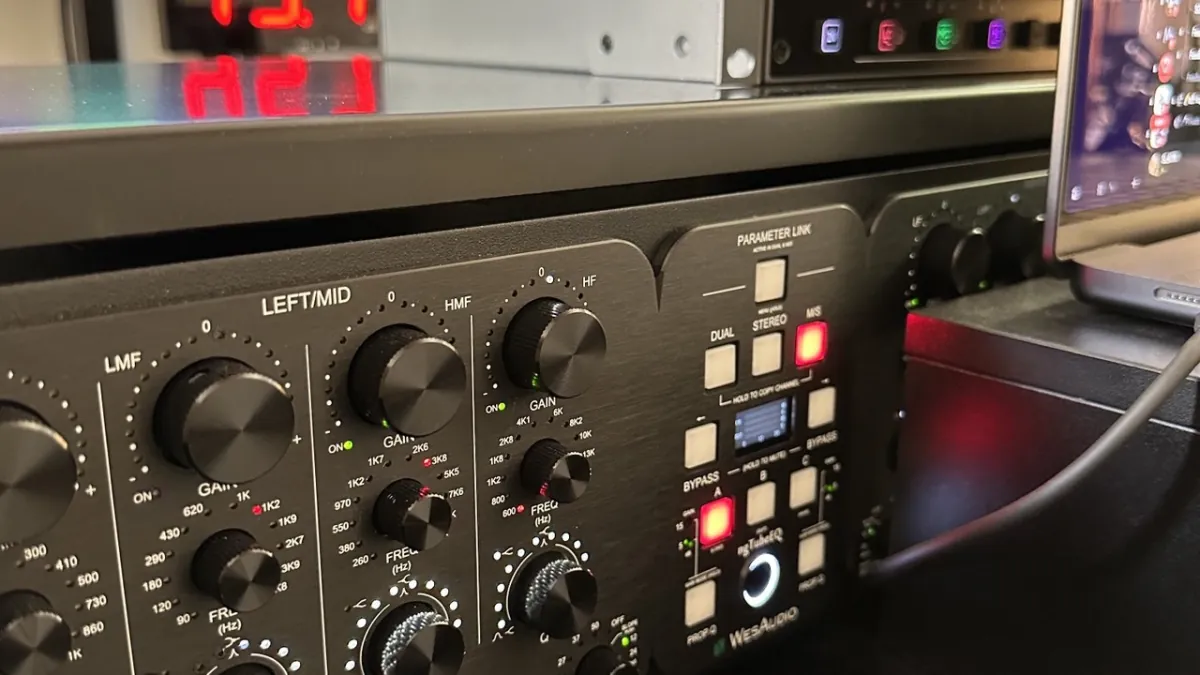
- Why I use the WES Audio NgTubeEQ as a recallable analog mastering EQWhy recall finally got me into analog mastering gear, and how I use the WES Audio NgTubeEQ: GREEN vs RED modes, Iron Pad, M/S and plugin control.
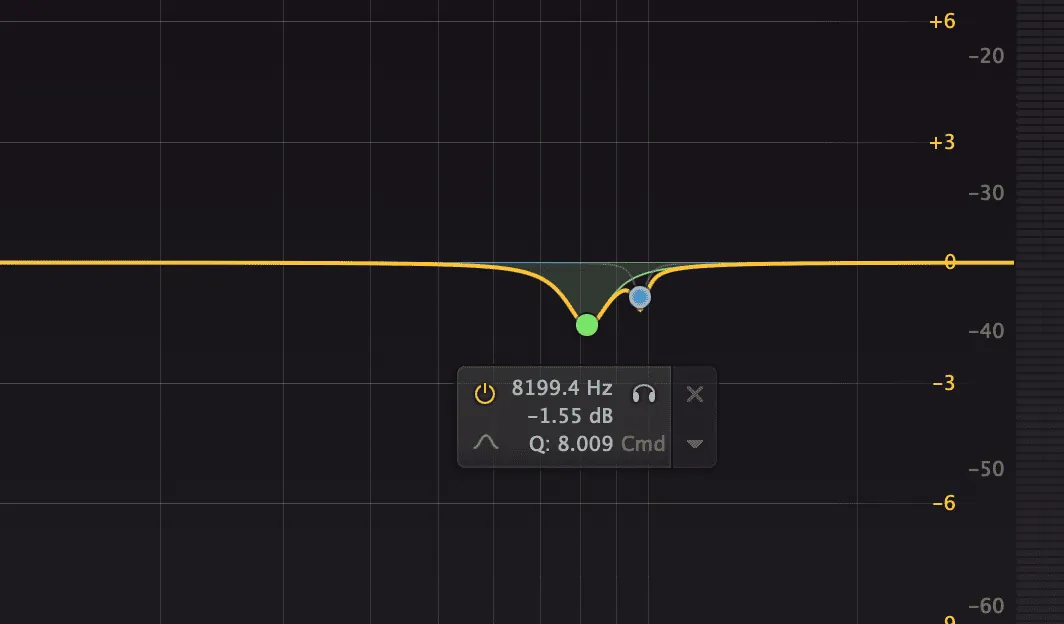
- Do you need a low cut on the master bus?A default high-pass on the master can help the limiter or kill the vibe. When to use one, and why it should be gentle and linear phase.
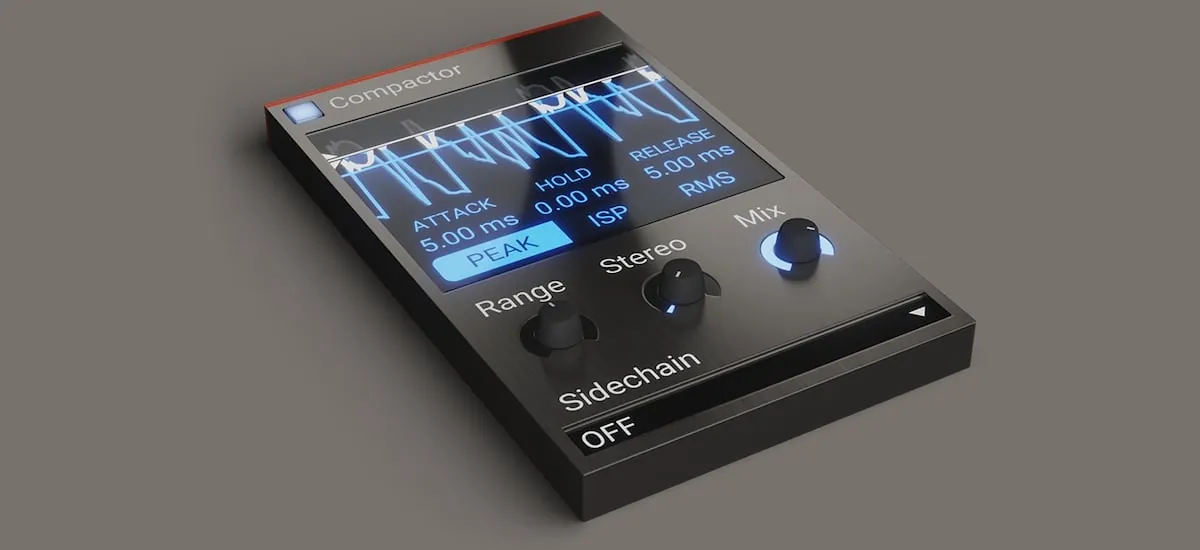
- Ring mod sidechain with Kilohearts Compactor: ducking without pumpingRing mod sidechain ducks without obvious pumping and doesn't create peaks when two signals sum. Kilohearts' free Compactor does it in any DAW.
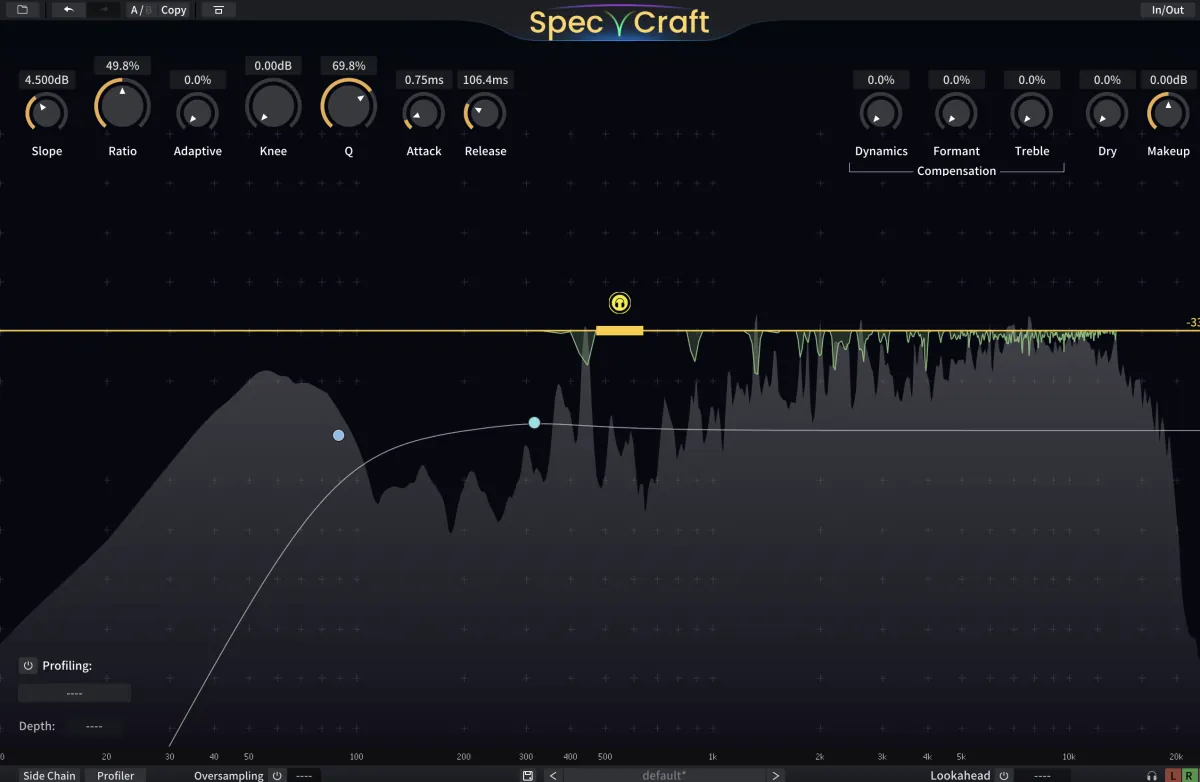
- How SpecCraft before the limiter gets you 0.5 to 1 dB more loudnessUsing SpecCraft above 100 Hz to tame the loudest transient peaks lets the limiter breathe, so you can push an extra 0.5 to 1 dB without distortion.
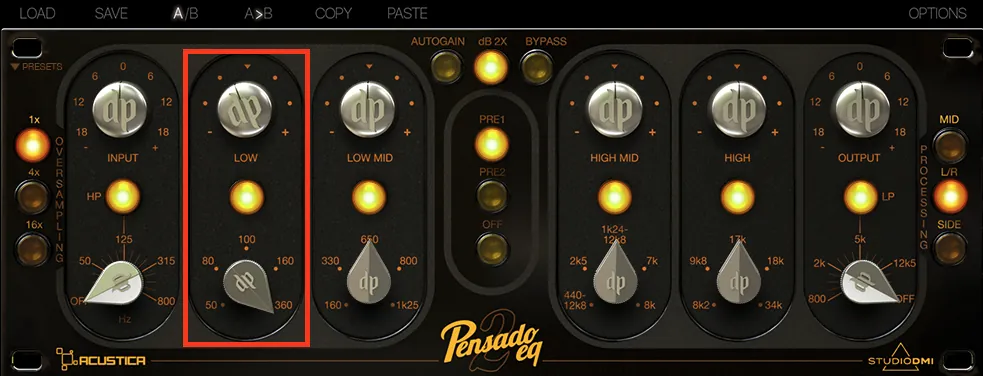
- Why the Pensado EQ2 low band doesn't behave like a normal EQThe Pensado EQ2 LOW band boosts and cuts at once, shifting the phase of the subs so kick and bass feel and resonate longer. Not a plain bass boost.
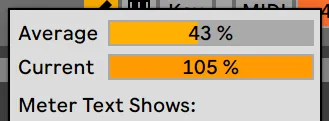
- Why groups cause CPU spikes in Ableton Live, and how to fix itAbleton processes every track inside a group on a single CPU core. Replace the group with a bus track to spread heavy plugins across cores.
- How to make a master louder by taming the low end before the limiterA Multiplicity low band before the final limiter: around 130 Hz, 30-80 ms attack, slow release. The limiter stops distorting and the mix feels louder.
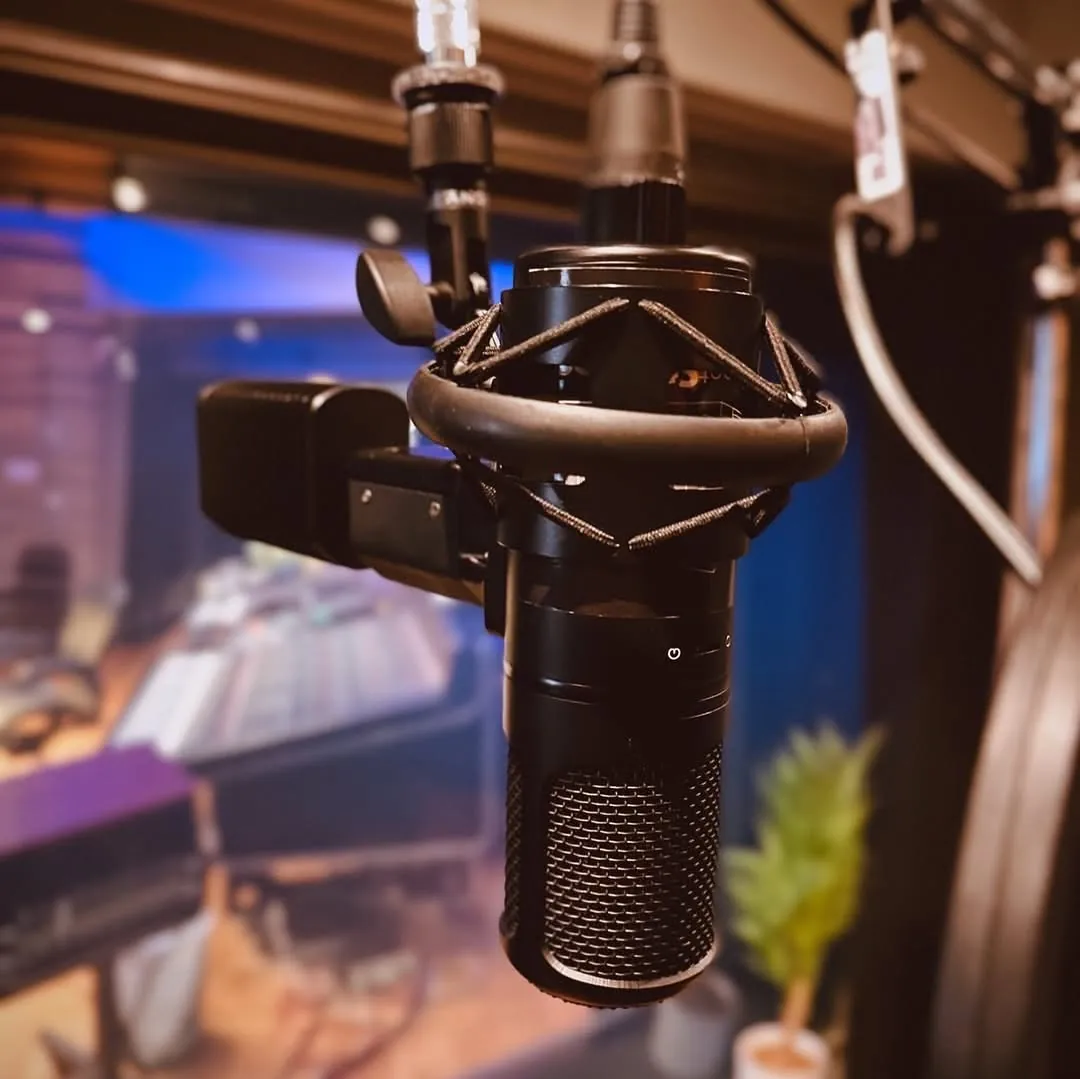
- Three classic studio vocal chains: mic, preamp and compressorThe three iconic hardware vocal chains pros rent and rely on: clean pop/R&B gloss, the aggressive rockstar chain, and the vintage soul legend sound.
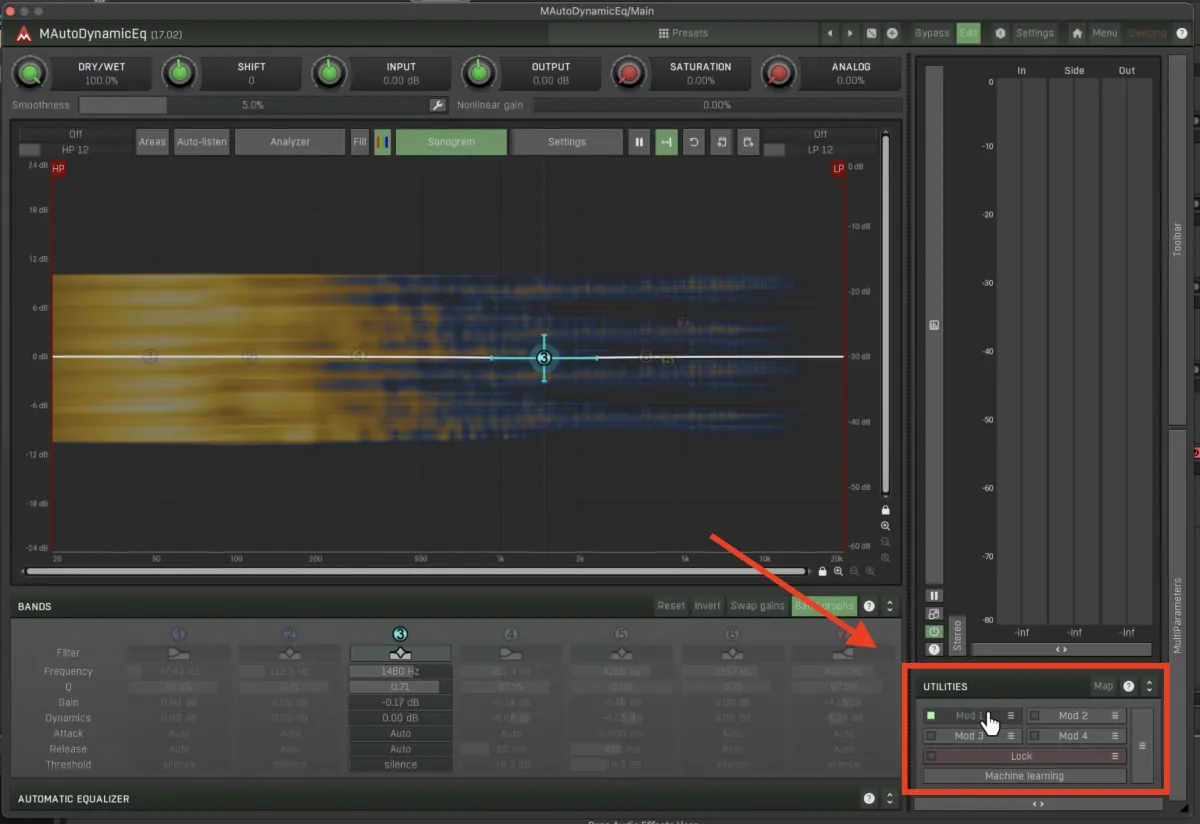
- How to draw your own groove with MAutoDynamicEQ's modulationUse MAutoDynamicEQ's modulation section to draw rhythmic EQ gain moves synced to BPM: a proactive reverse sidechain for bounce and stereo motion.
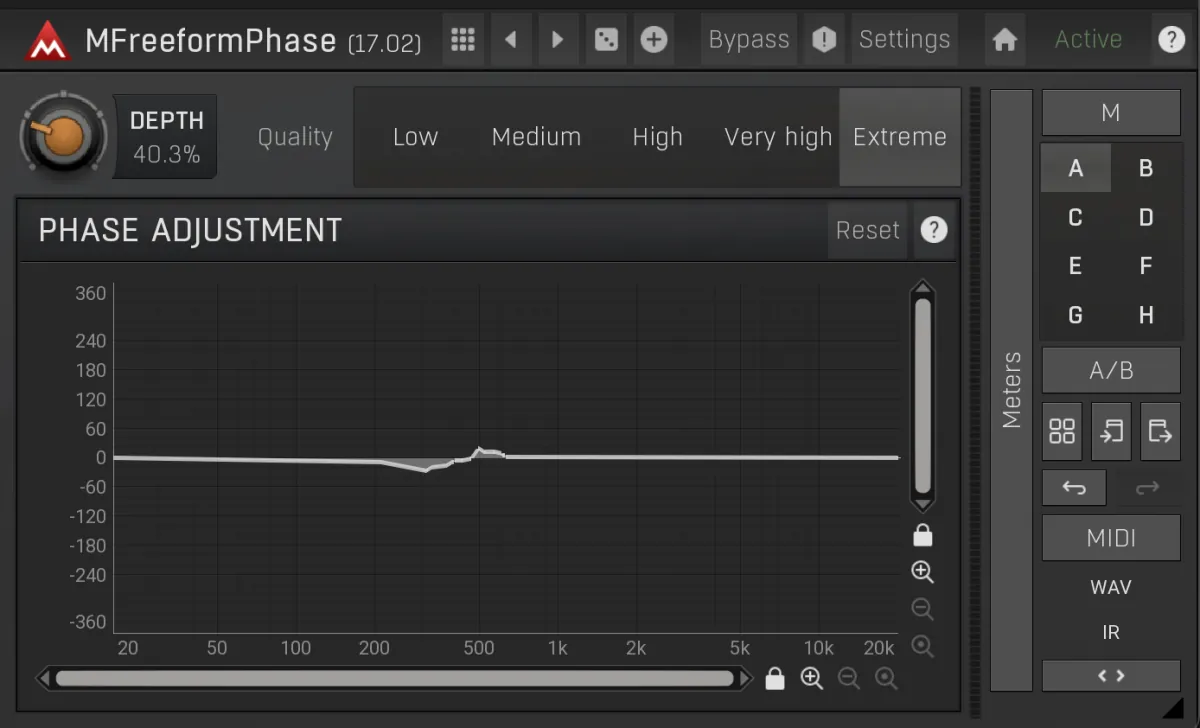
- How to make a sterile mix feel analog with MFreeformPhaseDrawing a gentle phase curve on the Mid channel with Melda MFreeformPhase smears transients just enough to make a too-clean track feel more human.
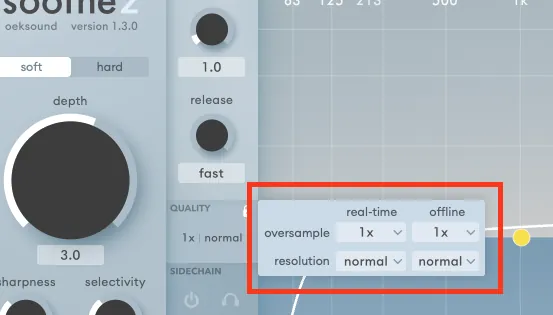
- Why plugin quality modes and offline oversampling can ruin a masterSoothe in Ultra mode made my masters dark while Gullfoss sounds better in Best mode. Why to keep plugin quality settings the same in playback and export.
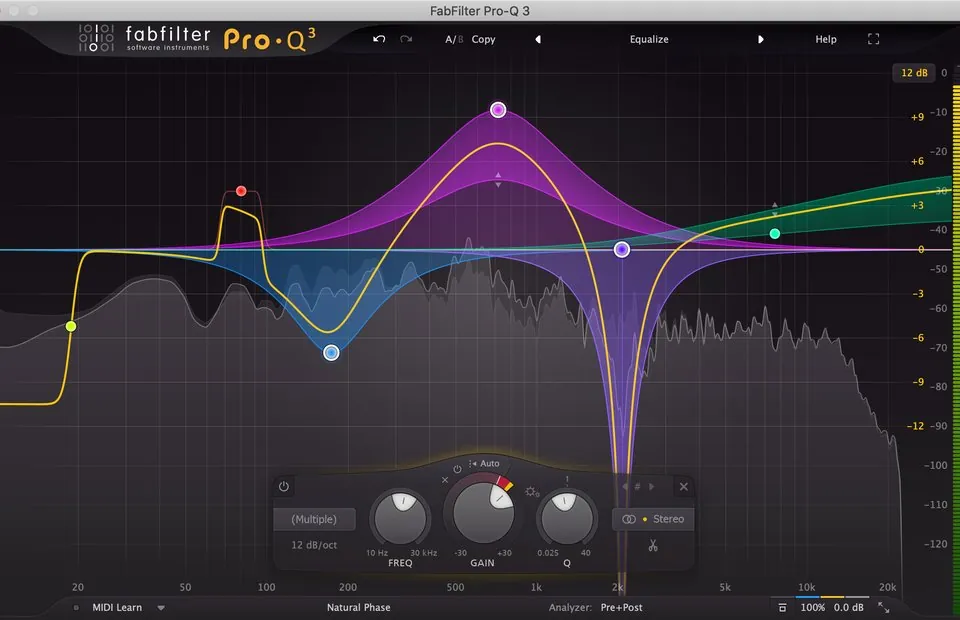
- When to skip linear phase EQ on purpose, even in mid-sideLinear phase EQ is clean but can sound sterile. A small zero latency EQ move can add natural stereo movement, almost like tape. How to judge it.
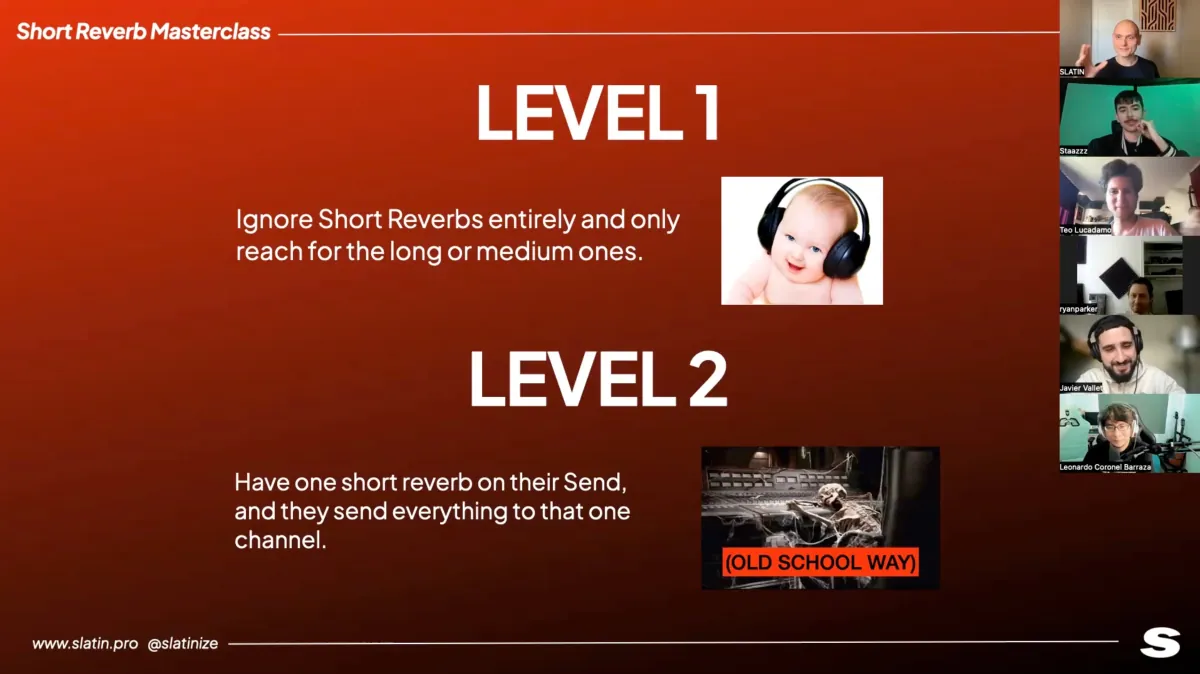
- Why short reverbs matter more than big reverbs in a pro mixTutorials obsess over huge reverbs, but short reverbs separate amateur and pro mixes. Example: a filtered ambience on the master of Xina Mora's 444.
- Does real-time rendering sound different from an offline bounce?Some plugins process differently offline than in real time. Why exports can differ in width and microdynamics, and the A/B test I run before delivering.
- Why you should never start a mix without the artist's rough mixStems rarely sound like the rough mix, and the rough is the vibe the artist loves. Why matching it first saves revisions, and how to build from it.
- Why your master's bass distorts in the car (and how to fix it)Car room modes, aggressive sub transients and tiny door speakers explain distorted bass in the car. What to fix in the master and what to leave alone.
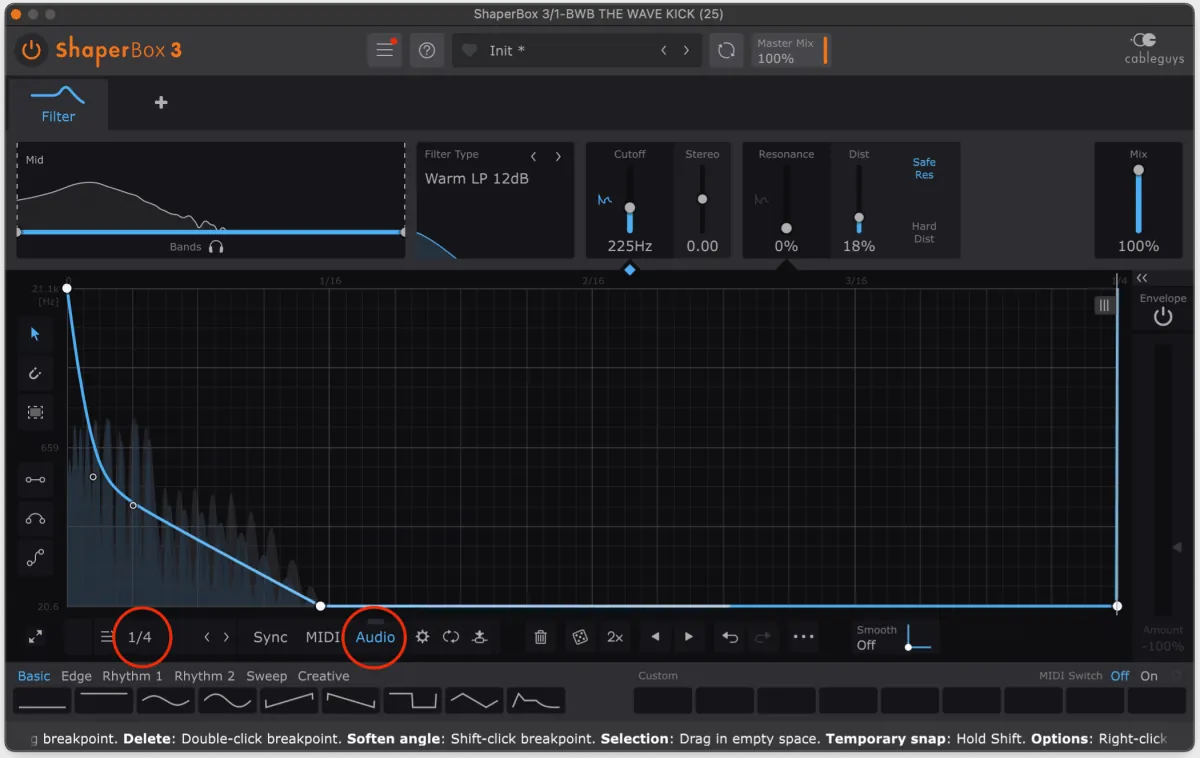
- Do kicks need distortion? Risks, and how to fix a distorted kickWhy distortion on kicks can cause aliasing and kill dynamics, what I use instead, and a ShaperBox 3 trick to rescue a mix with an over-distorted kick.
- Why your drop sounds weaker than the break, and how to fix itIf the break is already maxed out in width and loudness, the drop has nowhere to go. Automate a compressor's threshold to restore the contrast.
- How to embed an image or logo in your audio's spectrum with WaterMarkWaterMark is a Max for Live device that writes an image into your audio's frequency spectrum. What its controls do, the Lite version, and the risk.
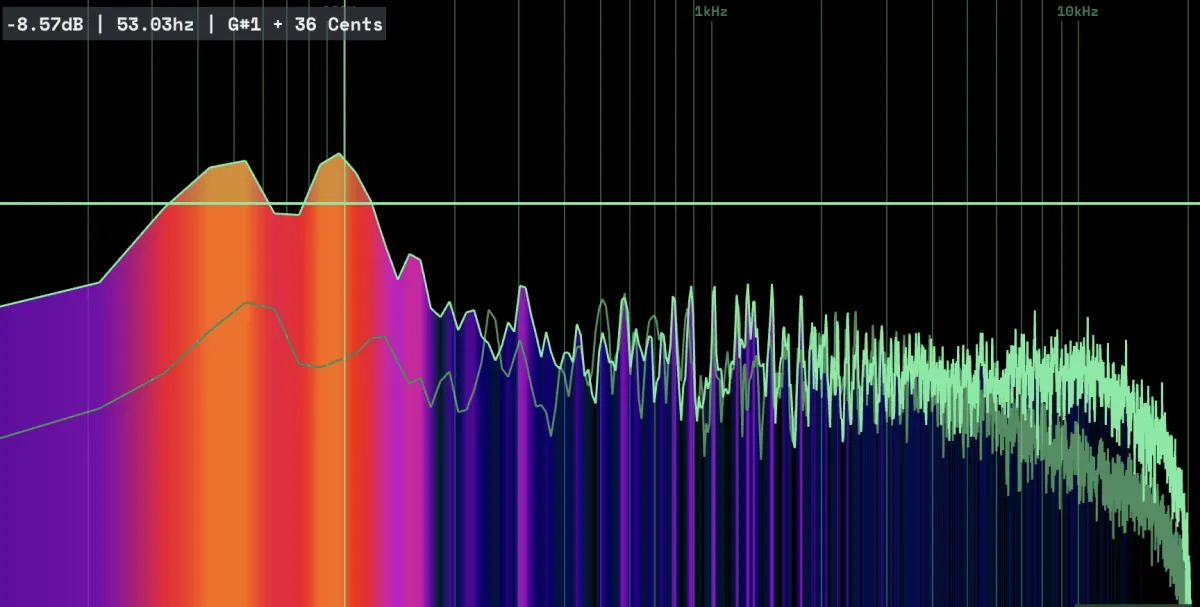
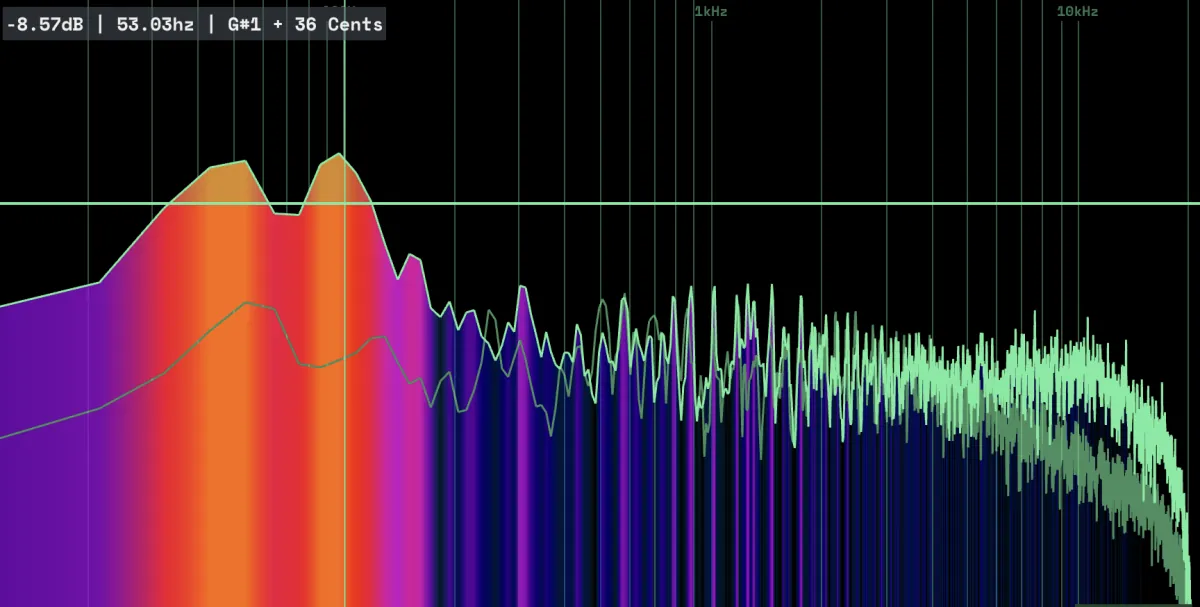
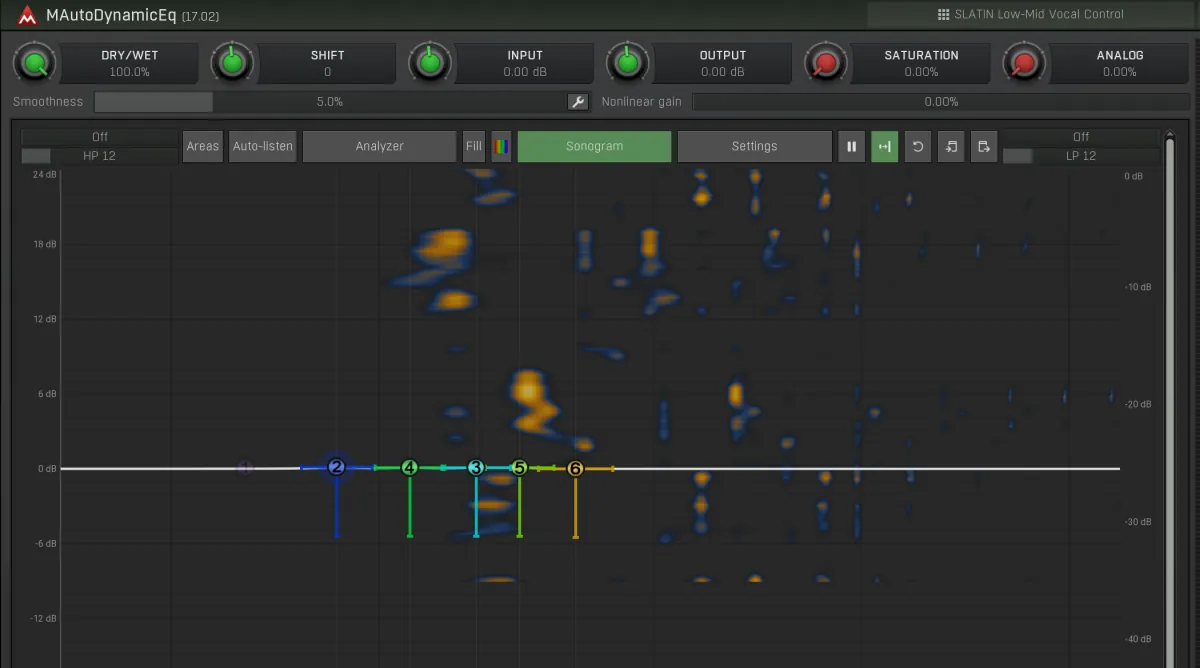
- How to use the heatmap view in MAutoDynamicEQ to find resonancesSwitch the analyzer in MAutoDynamicEQ (or any multiband Melda plugin) to heatmap view to see energy build-up and track down harsh resonances and mud.
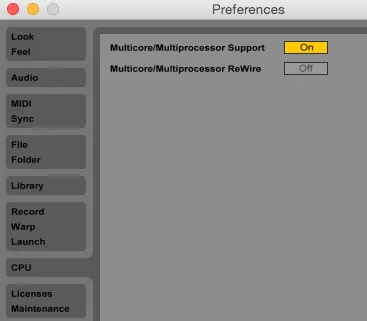
- Ableton multicore vs one core: when to switch multicore on or offWhen Ableton runs better on one core (small, routed, low-latency sessions) and when multicore wins (big sessions of independent tracks, renders).
- Why you should stop widening your hi-hats (and what to do instead)Wide highs in reference tracks come from the mix, not a widener. Why imagers smear hats, and five ways to get natural width that keeps transients.
- Why self-releasing your music might be the smarter career moveAdvice from house producer Cloverdale: own your release, stop chasing labels, and make a self-release look as pro as a top-tier label drop.
- Making music in Ableton with AI prompts: the Claude Ableton MCPAn MCP (Model Context Protocol) links Claude to Ableton Live so the AI can create MIDI clips, pick samples and choose synth presets from your prompts.
- Why I don't use Pro-MB on vocals (and the multiband I use instead)On vocals, FabFilter Pro-MB's compression sounds metallic and jumpy to me. The multiband compressors I use instead: McDSP MC2000, Waves C6 and C4.
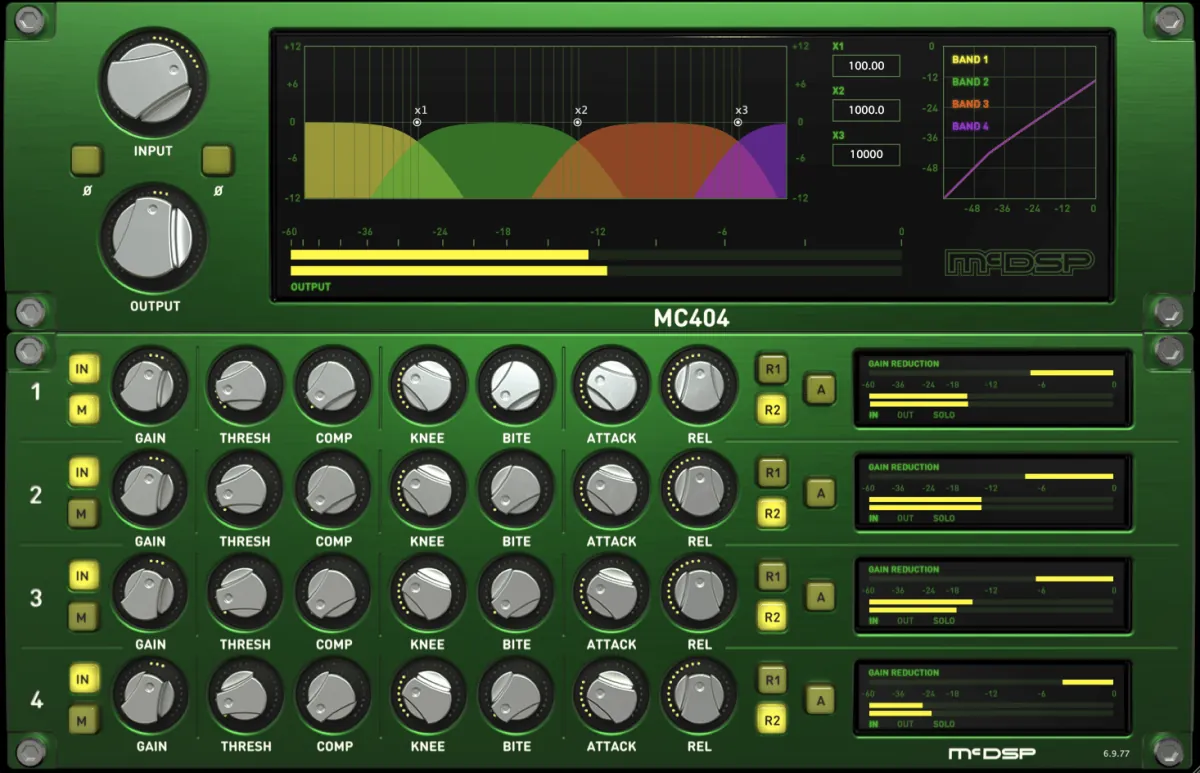
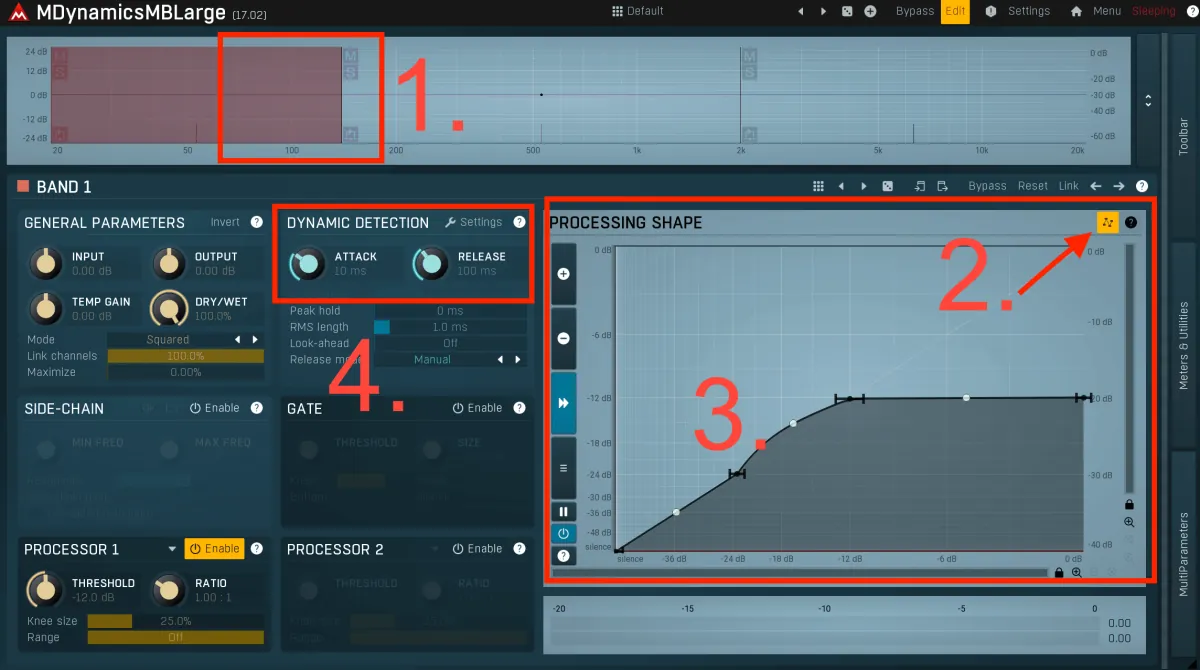
- How to control sub transients with MDynamicsMBLargeUncontrolled sub transients distort early in the limiter. How I tame the low band with MDynamicsMBLarge in graph mode for a stable, punchy low end.
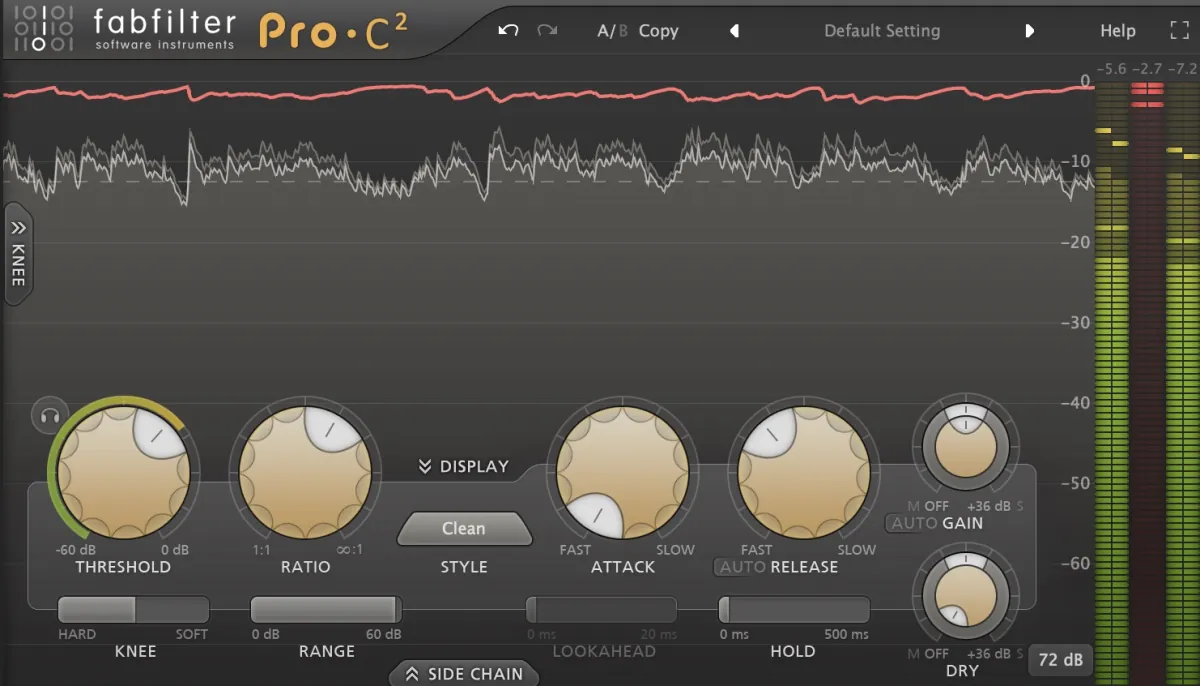
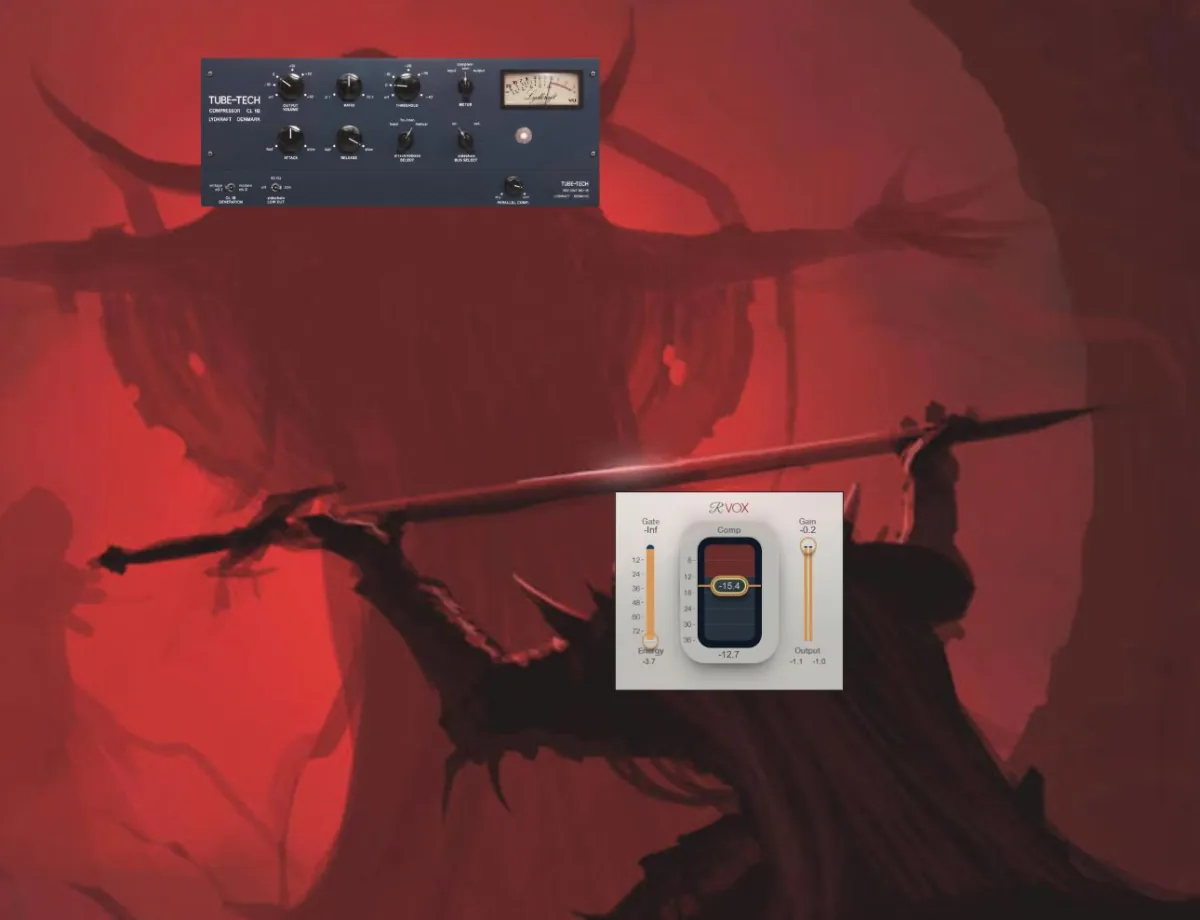
- How to recreate Waves RVox with FabFilter Pro-C2's Vocal modePro-C2's Vocal mode was modeled after RVox. How I use RVox as my first vocal compressor, and the three Pro-C2 settings that get you the same sound.
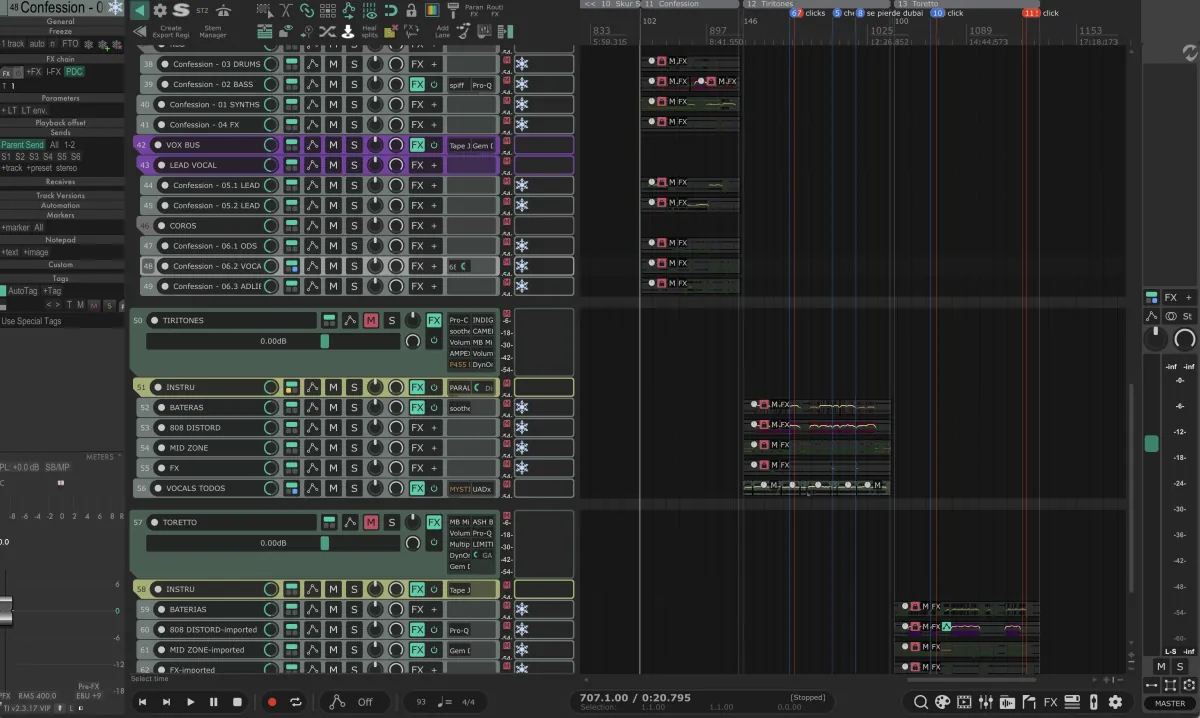
- How I stem master a whole album in one projectWhy I stem master full albums in a single Reaper session, one folder per song, and how it keeps the record coherent and my ears fresh.
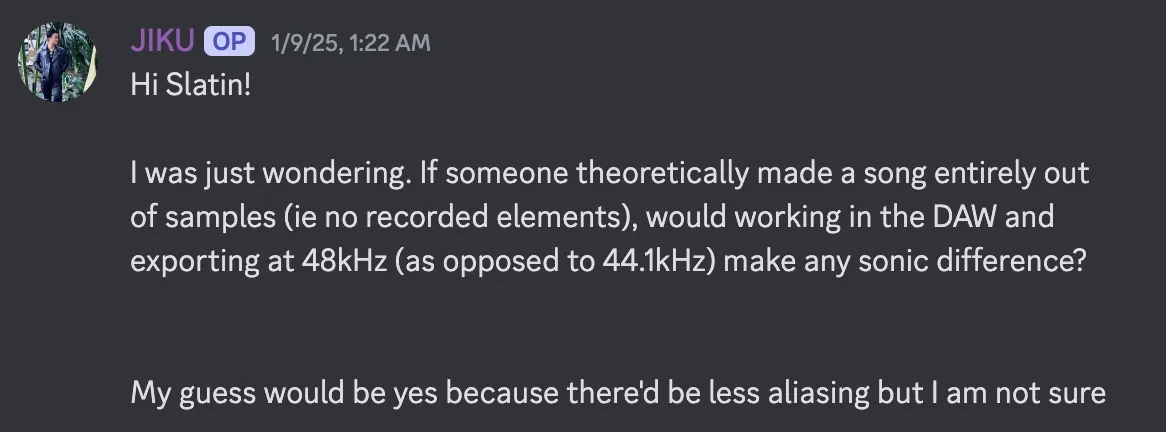
- 44.1 vs 48 kHz: does your project sample rate change the sound?Why your DAW project sample rate changes how samples and plugins sound, why downsampling a finished master barely matters, and why I work at 96 kHz.
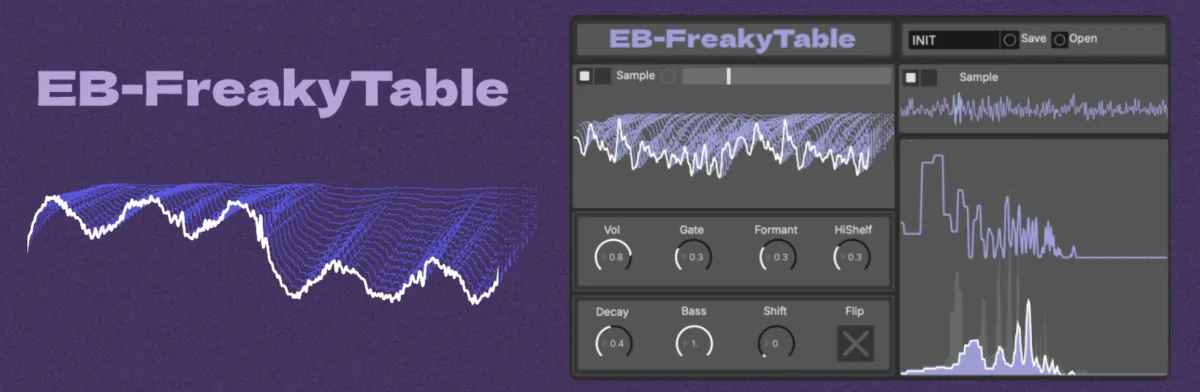
- Free wavetable filtering: EB-FreakyTable vs Kilohearts Filter TableWavetable filtering uses any WAV file's harmonic content as a filter shape. EB-FreakyTable, built in PlugData, does what Filter Table does for free.
- How to stop the UAD Meter from opening at startup on a MacUAD gives no option to stop the UAD Meter launching and floating on your desktop. Edit one LaunchAgent plist and set RunAtLoad to false.
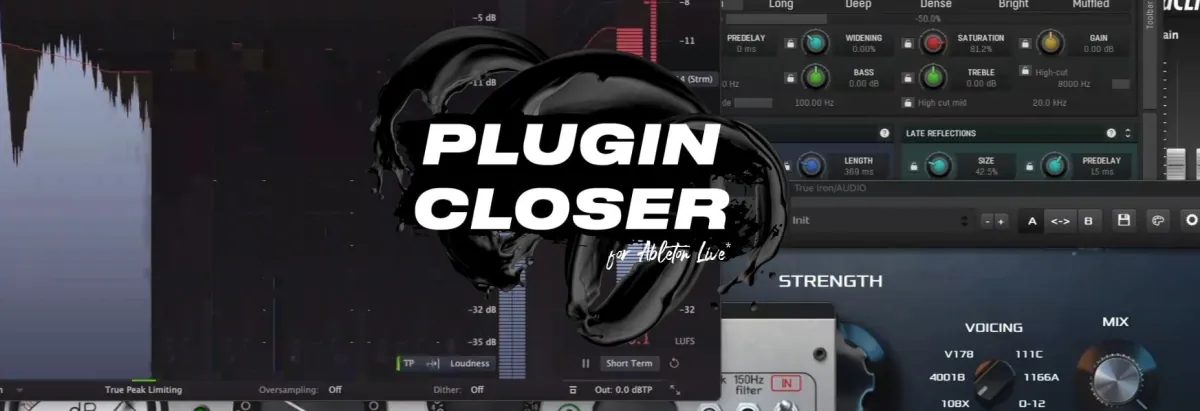
- Two Ableton workflow tools: Live Plugin Closer and Notes-KiClose Ableton plugin windows per screen or one at a time with Live Plugin Closer, and embed text and image recall notes in your chains with Notes-Ki.
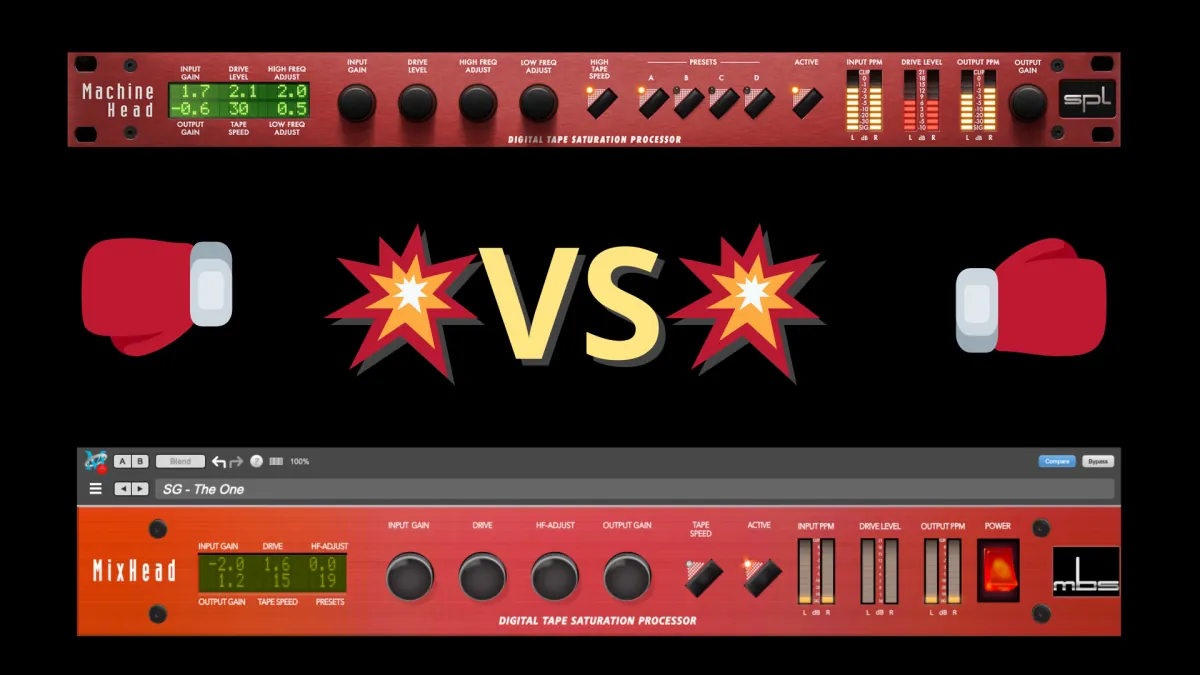
- SPL Machine Head vs Metric Halo Mix Head: which one I use and whenMachine Head vs Mix Head on the mix bus: Machine Head for warmth and glue, Mix Head for sharp transients and definition. How they differ and why.
- Does clipping the Ableton master sound better than limiting?Letting your DAW master clip is just hard clipping at 0 dBFS, without oversampling. What actually happens, and when it can still be valid.

- Why I went back from FabFilter Pro-Q4 to Pro-Q3After a month on Pro-Q4 I switched back to Pro-Q3: Soothe2 for spectral work, dedicated dynamic EQs, workflow habits and artifacts in offline renders.
- Does working at 48 kHz instead of 44.1 kHz change the sound?Even a track built only from samples sounds different at 48 kHz: samples get resampled and plugins process at a different rate. My sample rate approach.
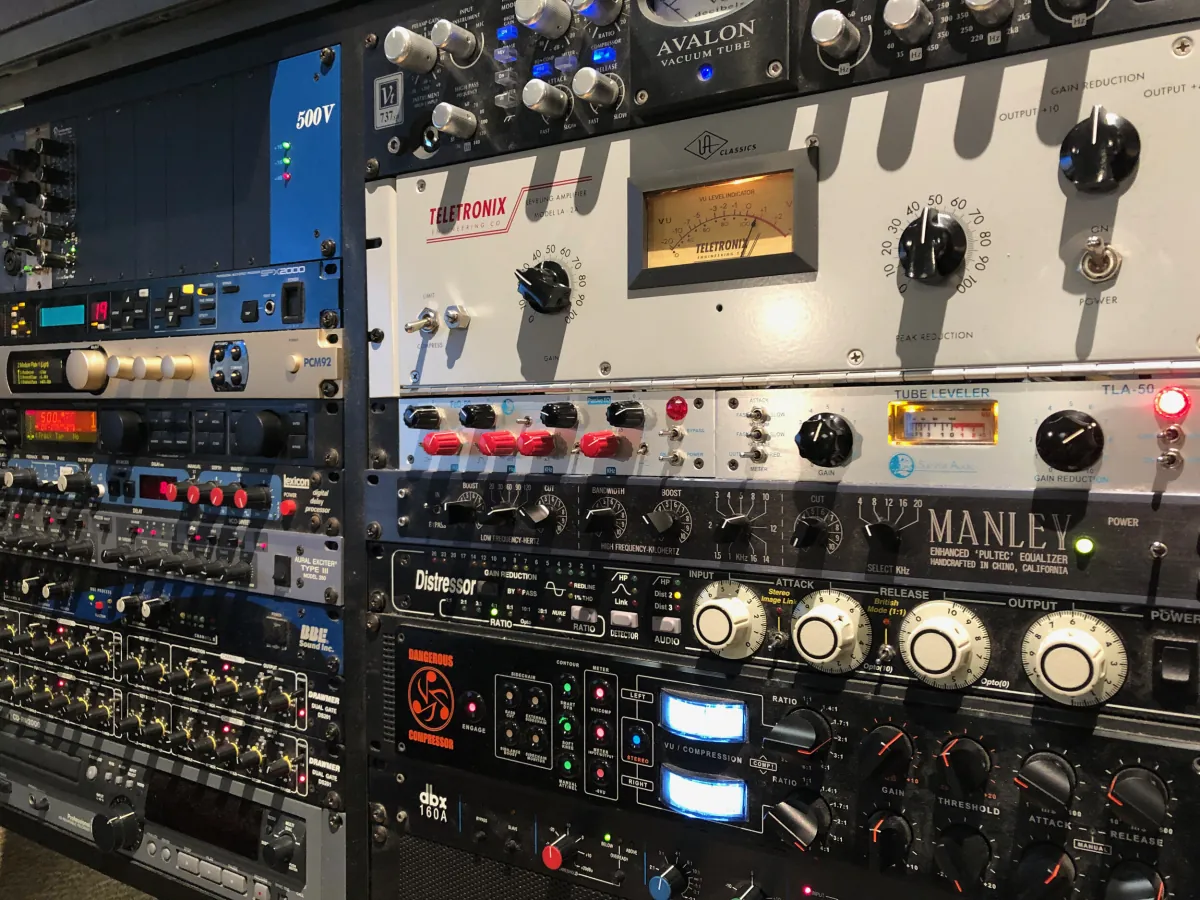
- Is analog gear still worth it for mixing, or only for tracking?Why an analog mix and a digital mix are nearly impossible to tell apart today, where analog gear still matters, and the in-the-box setup I master on.
2024
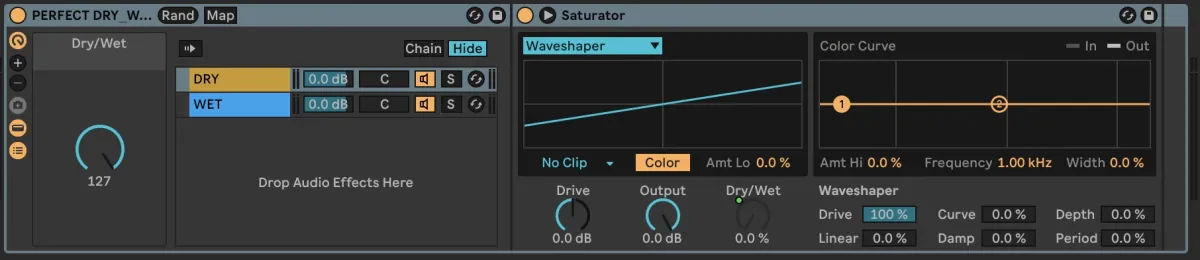
- How to get a phase-free, linear dry/wet knob in AbletonA clever Ableton rack setup gives any plugin or chain a 100% linear, phase-issue-free dry/wet control, without volume jumps or strange bugs.
- Why Soothe2 high resolution and 4x oversampling can ruin your exportMy Reaper exports didn't match what I heard in the DAW. The cause: Soothe2 set to High Resolution and 4x oversampling offline. The settings I use instead.

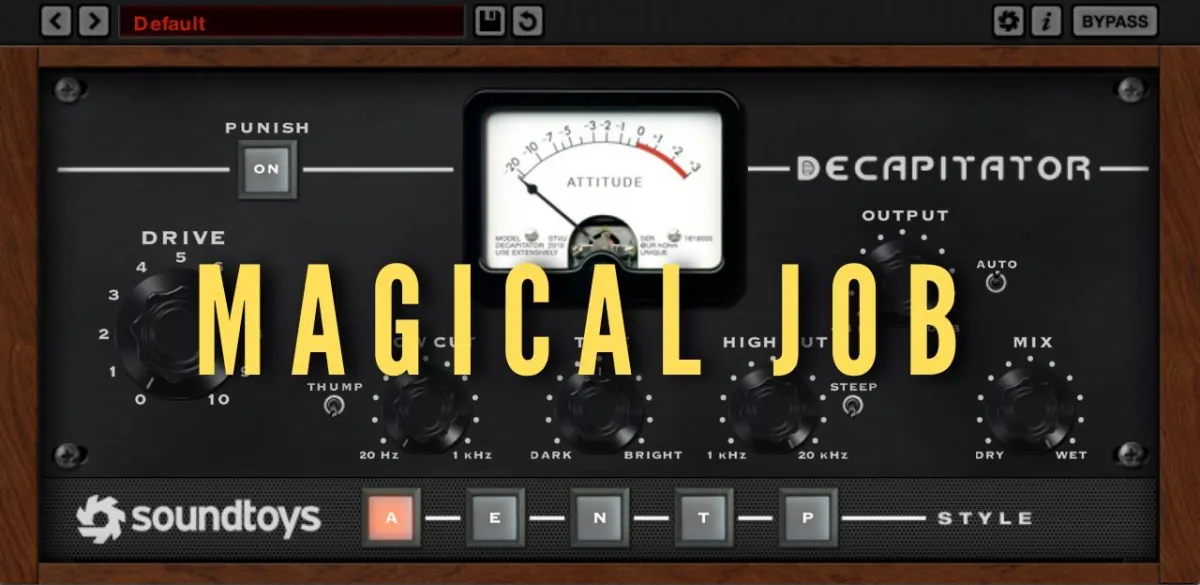
- Five ways to use Decapitator in a mix (Craig Bauer's tricks)Parallel bass, rhythmic synths, funky guitars, lead vocals and drum bus: drive ranges and tone tips for Soundtoys Decapitator, from mixer Craig Bauer.
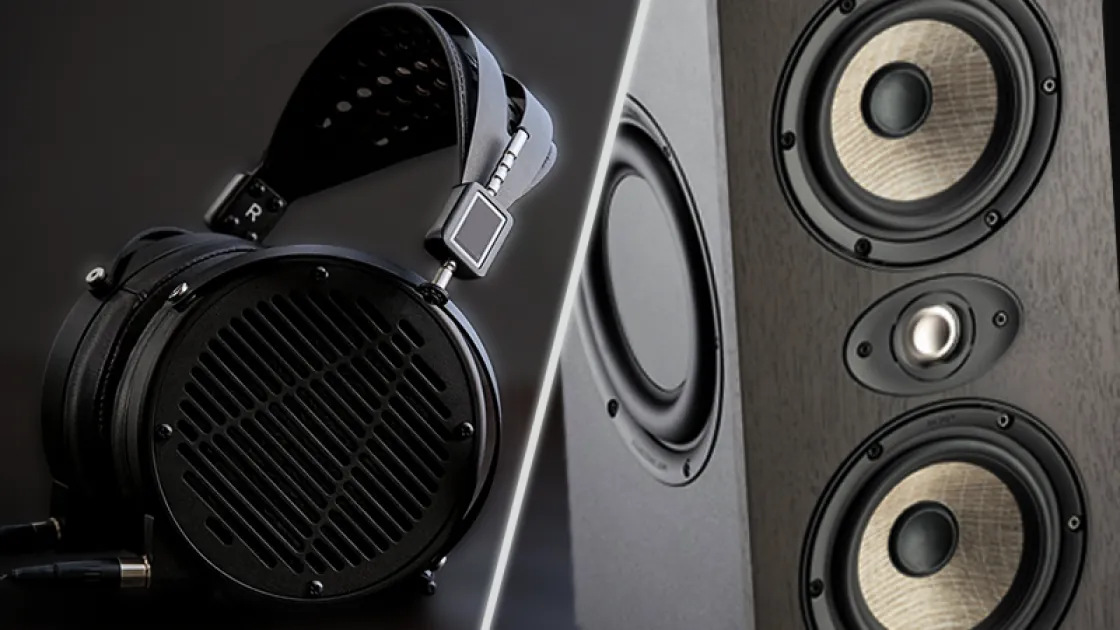
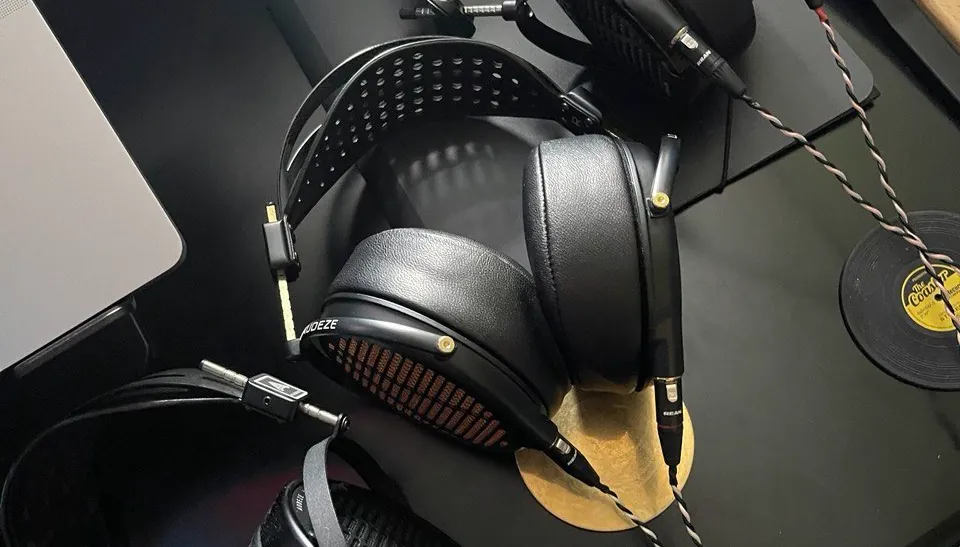
- Can you mix and master on headphones? The two problems to watchHeadphones can give near-monitor results for frequency balance, but dynamics and stereo image are harder to judge. What to watch for and how to fix it.
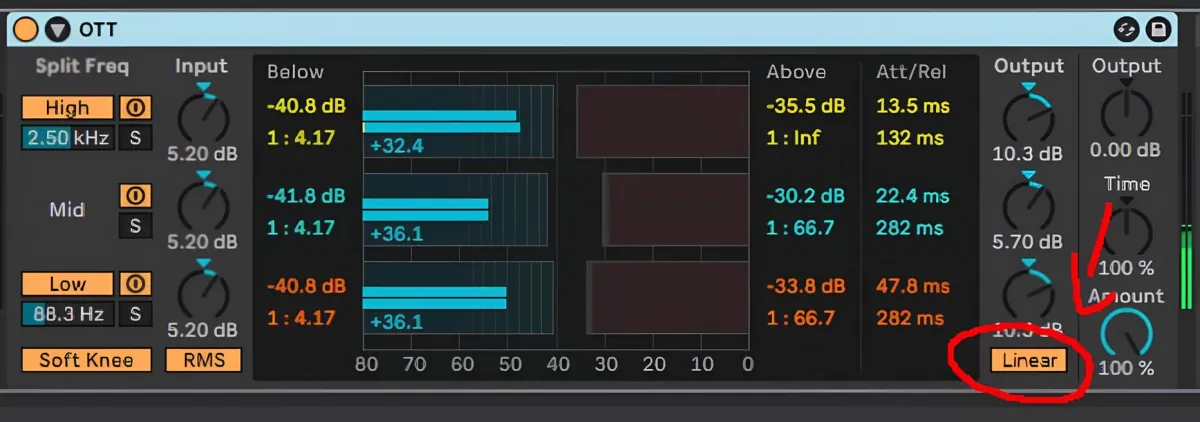
- Ableton Multiband Dynamics gets linear phase: why it mattersAbleton added a linear phase mode to Multiband Dynamics. Why phase shifts at crossover points matter in multiband compression, even for mastering.
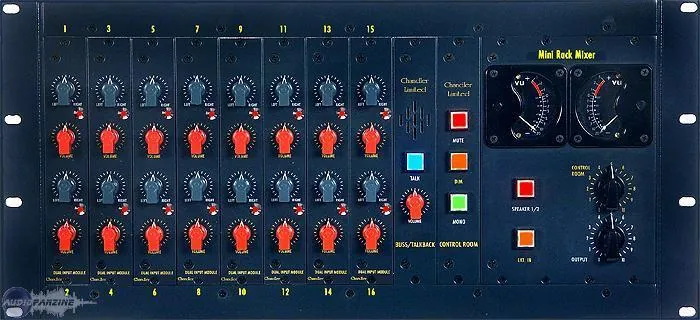
- Are analog summing mixers worth it? Why I don't recommend themSumming mixers began as a fix for an old Pro Tools stereo bus flaw. Why the audible difference is minimal and what I'd buy or use instead.
- Using SoundSource 5 for monitor correction instead of SonarworksSoundSource 5 runs Audio Unit plugins on your sound devices or apps, so your correction EQ sits outside the DAW and never ends up on an export.

- How to freeze group tracks in Ableton LiveAbleton 12.1 hides a test option to freeze groups via Options.txt. How to enable it, its sidechain issue, and the workaround for older versions.
- How to fix harsh, metallic vocals from cheap microphonesWhy cheap microphones sound metallic once you process them, and two moves I use to tame the harshness before compression and saturation.