Mixing & Mastering Tip #255 ·
Why listening harder won't help you hear the difference in an A/B

Ruslan Slatin
Mastering engineer at slatin.pro, Madrid
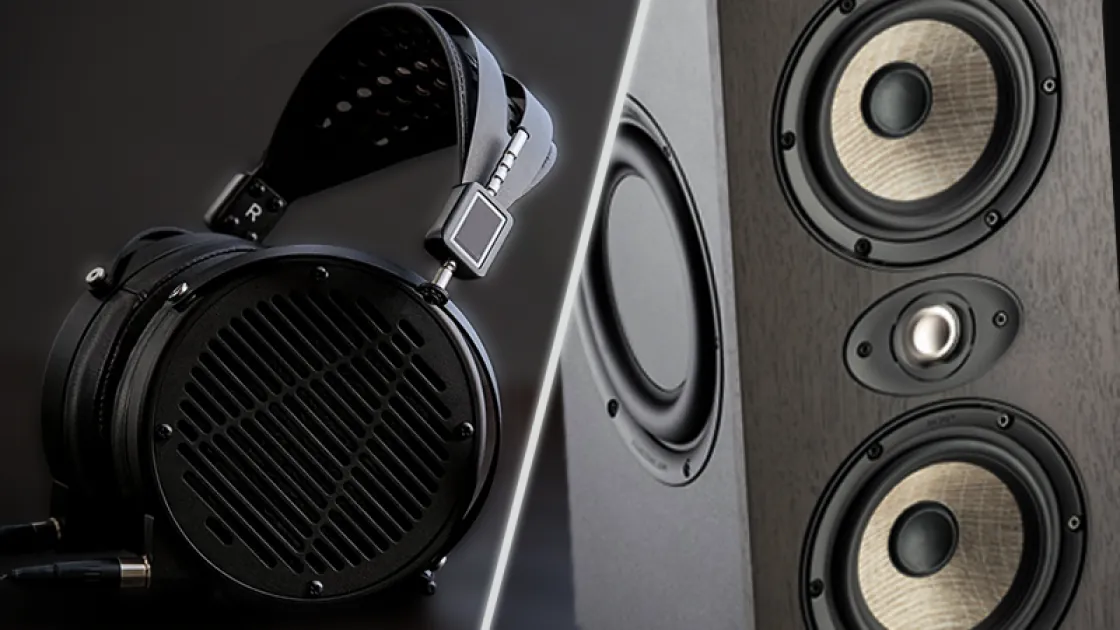
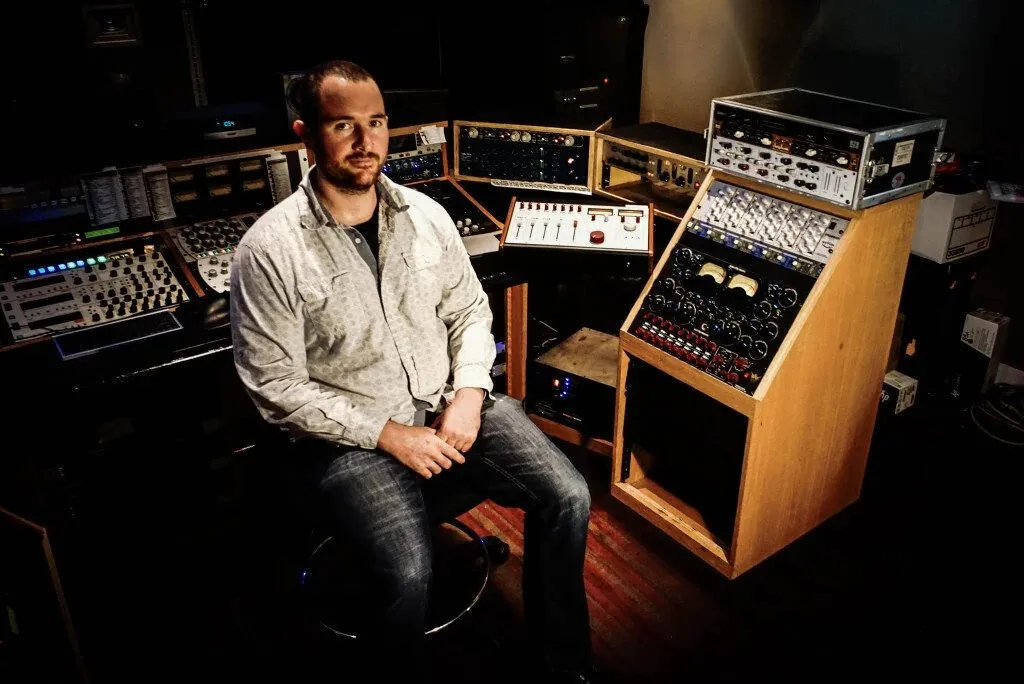
According to Dale Becker (@beckermastering), when you can’t hear the difference between two versions, listening harder almost never helps. It took him a long time to accept that, but more often than not, trying harder is exactly what gets in the way.
You probably know the feeling. You’ve been flipping between two versions of a mix for ten minutes, leaning toward the speakers, trying to squeeze a decision out of it. At some point you stop hearing what’s actually coming out of the monitors and start hearing what you expect to hear. Your brain fills in the gaps, and some tiny detail that doesn’t matter suddenly feels like the most important thing in the song.
That’s a bad place to be making decisions from.
The warning signs: check your body, not just your ears
The way he catches himself doing this is a bit unusual: he pays attention to his body. When he’s deep into a blind A/B and getting nowhere, he stops and asks himself:
- Is my jaw tight?
- Am I clenching my teeth?
- Is my forehead all scrunched up?
- Are my shoulders creeping up?
- Am I holding my breath?
If any of that is happening, he knows he’s not really listening anymore, he’s straining. And when you strain, you hear things differently.
So he takes a break. He’s not giving up on the decision, he just knows he won’t make a good one in that state.
The sweet spot: good listening should feel easy
He wishes someone had told him this earlier: his best listening usually feels pretty relaxed. He’s still focused, he’s just not fighting it.
When the room is quiet, he’s on monitors he knows well and he’s not forcing anything, the important stuff tends to show up on its own. Tonal balance, dynamics, depth, width, whether the song actually makes you feel something. You end up hearing the whole picture instead of hunting for problems.
That’s when the decisions get easy, in my opinion. Vocal up or not, low end too big or just you being tired, which limiter setting or EQ move the track wants: you just hear it.
A quick exercise
Next time you’re comparing two versions of a mix:
- Hit play and listen like you normally would.
- Notice what your face and jaw are doing.
- Notice your breathing.
- If you feel tension building, pause.
- Drop your shoulders and take a breath.
- Then go again.
You might be surprised how quickly the answer shows up once you relax.
Becker is pretty convinced that good listening has more to do with being honest with yourself than with concentrating harder (and I agree with him). Once you stop trying to force an outcome, you can actually hear what’s there.
A lot of the time, that’s when you realize the master was already finished.
Want this on your own track?
I master more than 1,000 songs a year for artists and labels, from stems or a stereo mix. Send me your track and I'll tell you what it needs.
A new tip like this every week, free: join the newsletter.
Work with me
Whenever you're ready, here's how I can help.
 MentoringMix & Master AcceleratorWeekly video reviews of your tracks, live group calls, and the business side of a studio career.By applicationApply now
 Preset packFUSION150 hand-crafted Valhalla VintageVerb presets. Three clicks to the sound you already hear in your head.20€Get the pack
 CourseAdvanced MicrodynamicsFour hours on the micro-level movement that makes a mix feel alive. Joined by 220+ students.149€See the course
 CourseLow End MasteryKick and bass chemistry, so your low end lands on club rigs and earbuds alike. Joined by 500+ students.159€See the course
 SoftwareStudiOSThe software I run my own studio on: deliveries, client feedback, versions and invoices in one place.14 days freeTry StudiOS